Loading...
Back to Home
Atkinson Clock Tower — Kota Kinabalu's oldest surviving colonial building, built in 1905
🔀 For Everyone

History of Sabah — From Ancient Kingdoms to Modern State

Last updated: 2026-04-03

How old is Sabah's history?

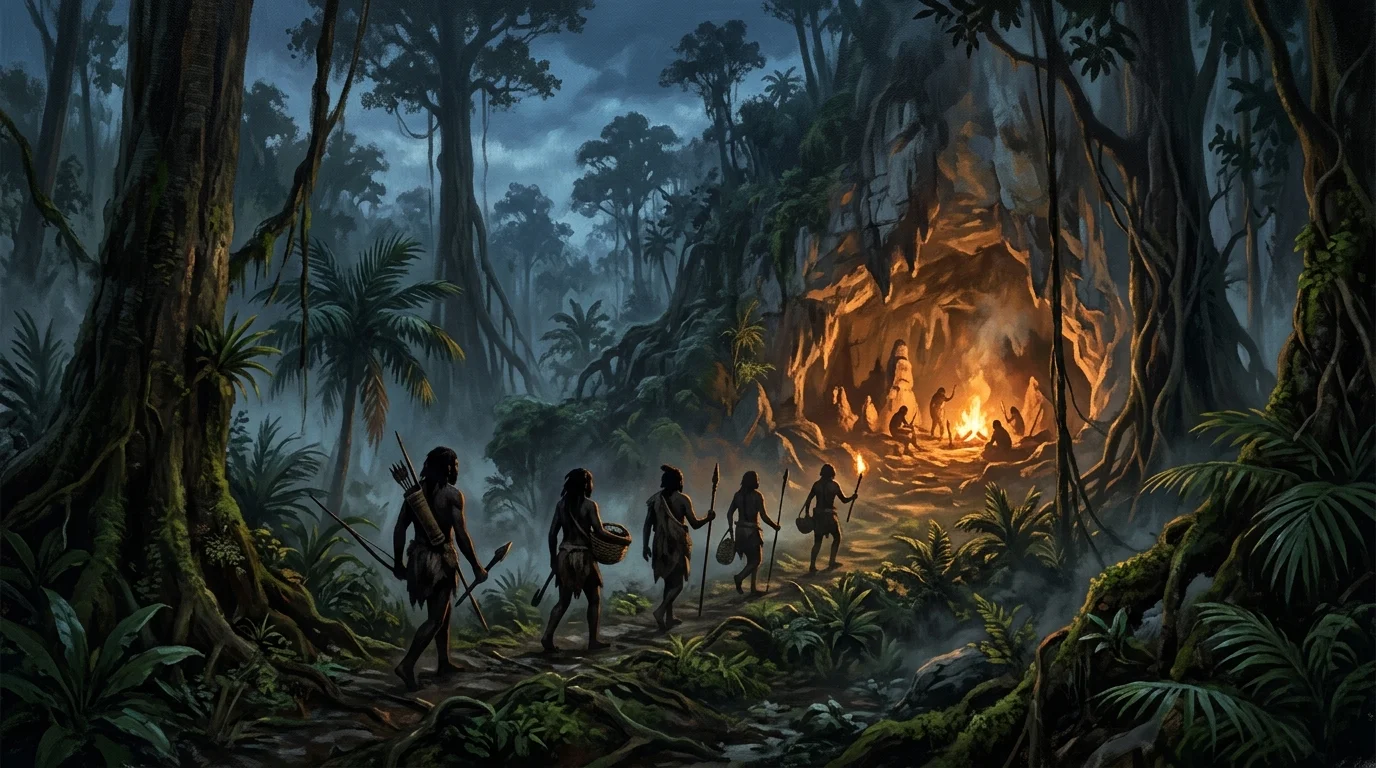
Prehistoric cave settlement in ancient Borneo jungle during the Ice Age
Archaeological evidence suggests Sabah was inhabited 23,000–30,000 years ago, during the Ice Age

Sabah's human story stretches back 23,000–30,000 years. Archaeological evidence from cave sites in the region shows that early hunter-gatherers settled here during the Ice Age, making Sabah one of the oldest continuously inhabited areas in Southeast Asia. For millennia, indigenous groups — Kadazan-Dusun, Bajau, Murut, and dozens of others — developed distinct cultures, farming practices, and maritime traditions.

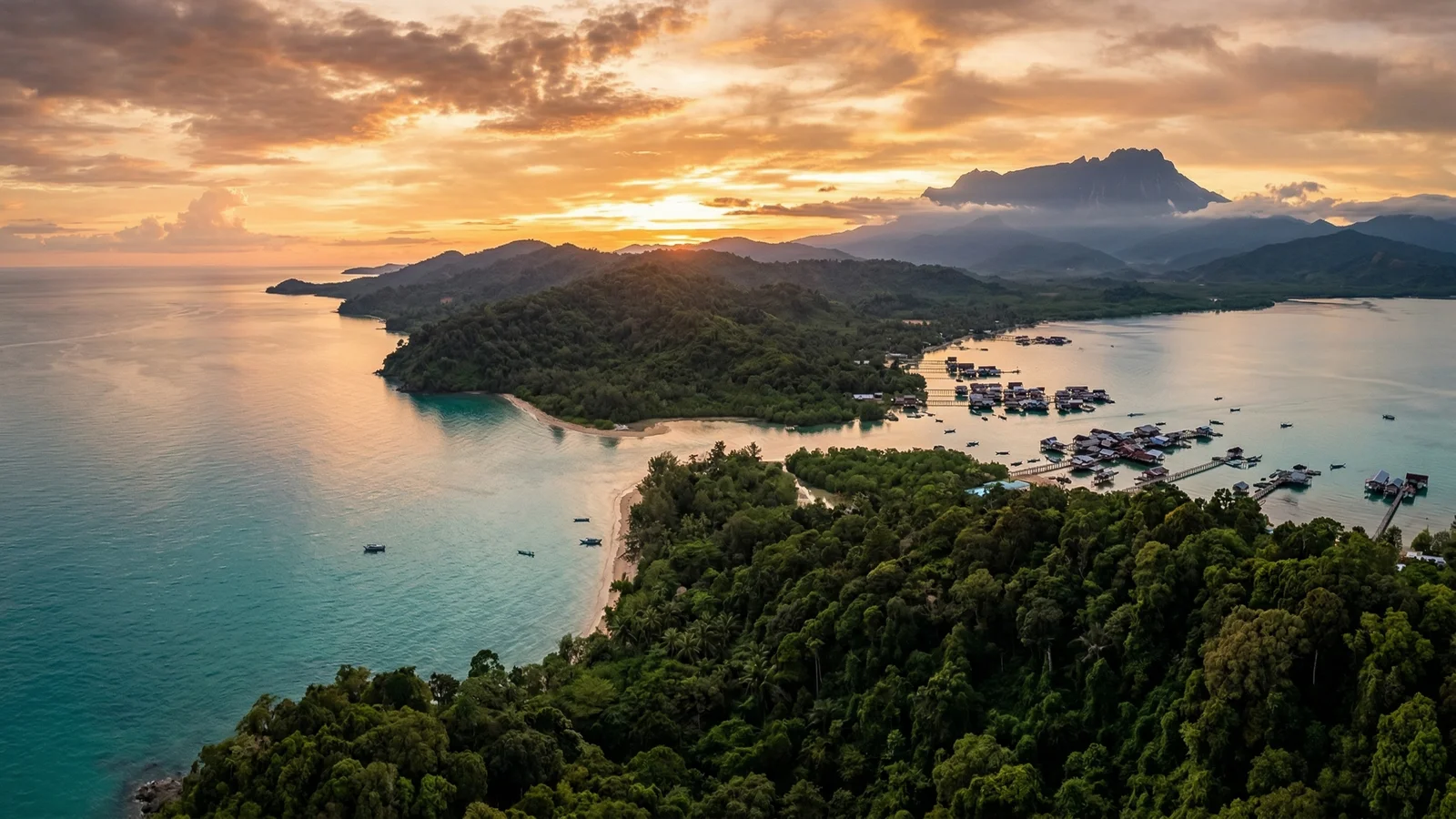
Known as the "Land Below the Wind" because it sits just south of the typhoon belt, Sabah has always been a crossroads of cultures, commerce, and conquest. This guide traces the full journey — from pre-colonial kingdoms through the British chartered company, the devastation of World War II, and into the modern Malaysian state established in 1963.

Who ruled Sabah before the British?
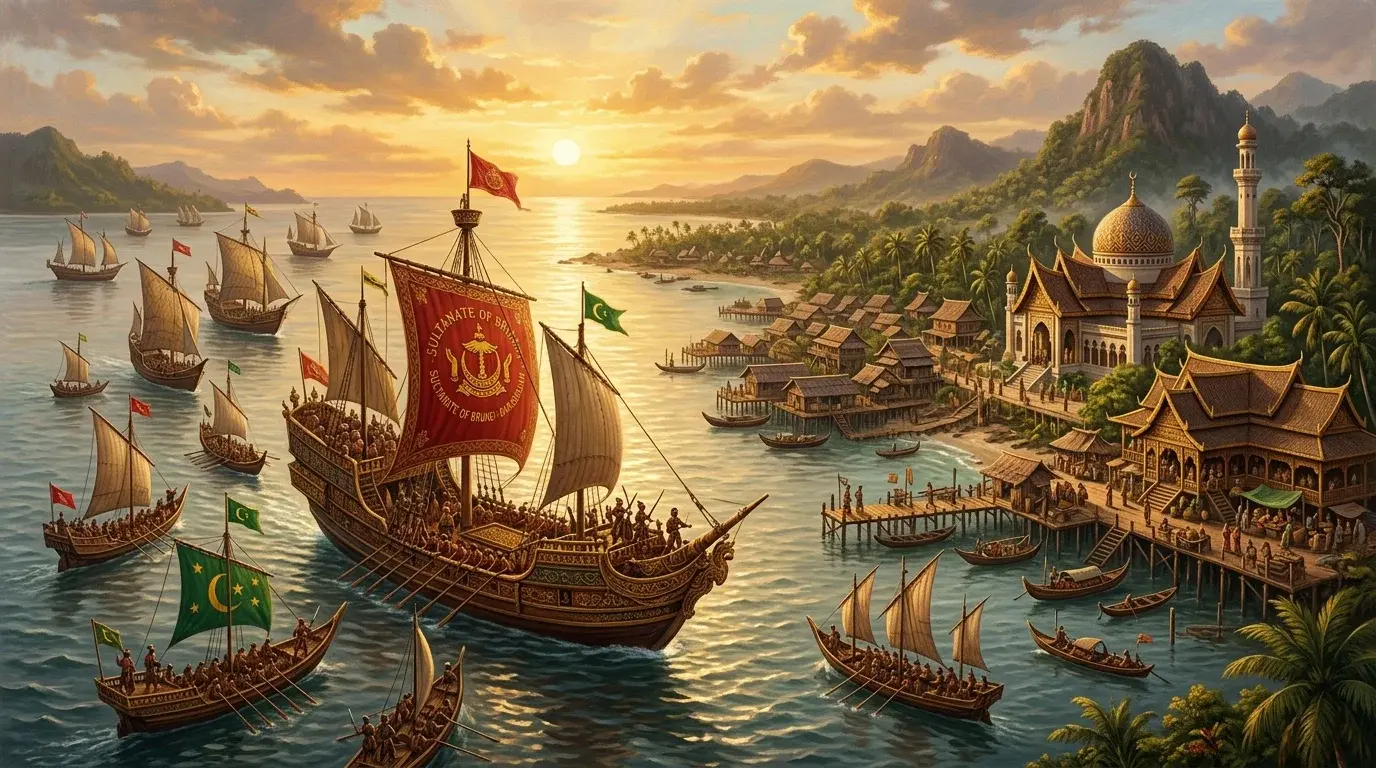
Brunei and Sulu Sultanate maritime trade networks in Borneo, 15th century
Brunei and Sulu Sultanate maritime trade networks dominated coastal Sabah from the 15th century onward

From around the 15th century onwards, two Islamic sultanates competed for influence over Sabah's coasts. The Brunei Sultanate, under Sultan Bolkiah (r. 1485–1524), extended its maritime empire across coastal Borneo, controlling trade routes and collecting tribute from coastal settlements. The interior remained largely independent under tribal governance.

The Sultanate of Sulu (founded 1405 or 1457) claimed eastern Sabah after the Sultan of Brunei allegedly ceded the territory in 1704 in exchange for help suppressing a rebellion — though many historians dispute the extent of Sulu's actual authority. By the 18th century, Sabah was integrated into a regional trade network connecting China, Southeast Asia, and the Philippines, exporting birds' nests, rattan, timber, sea cucumber, and pearls.

Seafaring Bajau and Suluk peoples from the Sulu Archipelago began migrating to and settling along Sabah's coasts from the late 1700s, establishing coastal communities that remain today. By 1878, a Scottish businessman named William Clarke Cowie negotiated territorial concessions from the Sultan of Sulu — and the colonial era began.

What was the North Borneo Chartered Company?
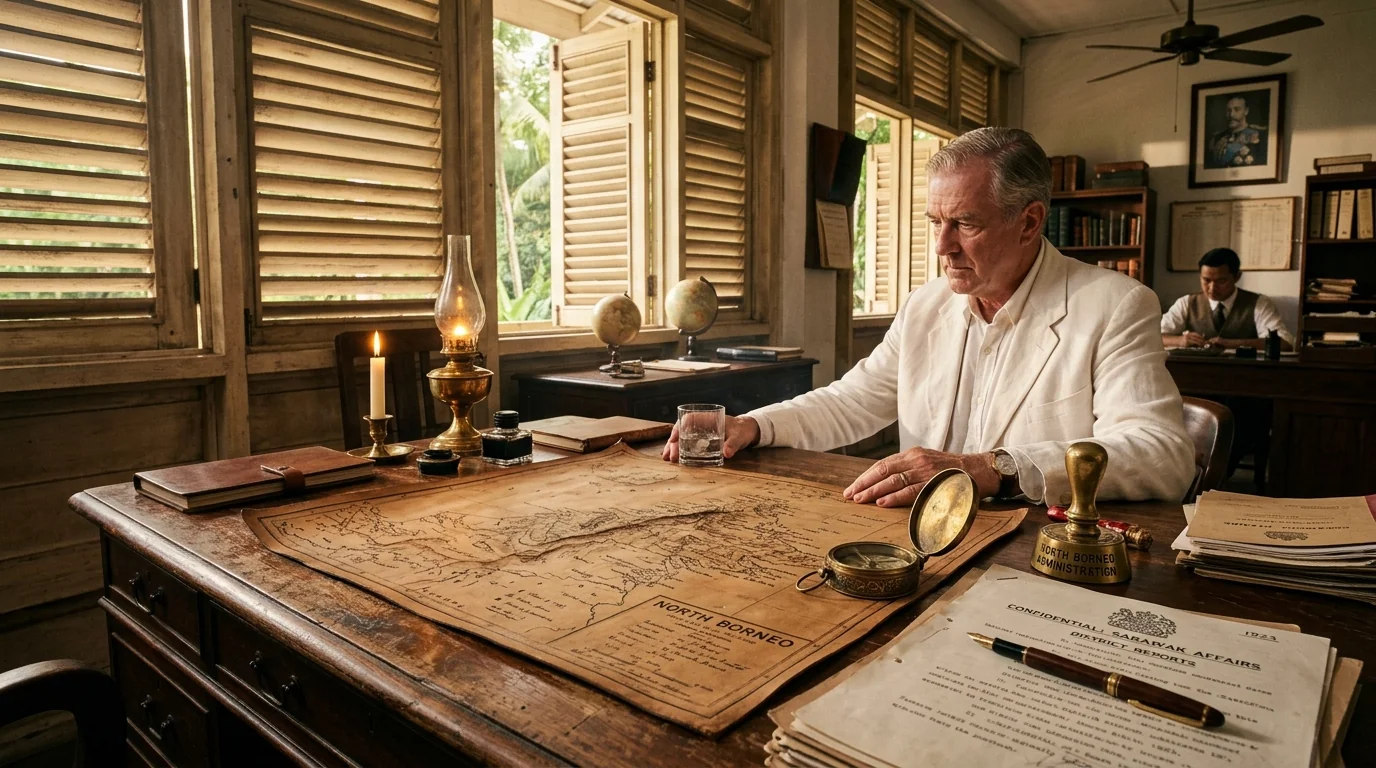
British North Borneo Chartered Company colonial era
The British North Borneo Chartered Company was granted its royal charter on 1 November 1881 and administered the territory until the Japanese invasion in 1942

On 1 November 1881, the British government granted a royal charter to the British North Borneo Chartered Company — one of the last examples of the old chartered company model where a private corporation received governmental authority from the Crown. The company's registered capital was £300,000, with Alfred Dent as its first chairman.

The company set up three successive capitals: Kudat (1881–1884), Sandakan (1884–1946), and eventually Jesselton (modern Kota Kinabalu, capital from 1946). Sandakan grew rapidly as the commercial hub, fuelled by tobacco plantations in the 1880s, timber extraction, and rubber cultivation. Large labor forces — often Chinese immigrants under harsh indentured conditions — worked the estates.

Colonial economic development created significant wealth for British investors but delivered minimal sustainable benefit to local populations. Most profits flowed to London. The company built roads, courts, and postal systems, but resource extraction drove policy above all else.

EraDatesRulersKey Character
Pre-Colonial23,000 BCE – 1881Indigenous groups; Brunei & Sulu SultanatesTrade, subsistence, cultural diversity
Chartered Company1881 – 1942North Borneo Company (British charter)Colonisation, tobacco, infrastructure
Japanese Occupation1942 – 1945Imperial Japanese ArmyWar, POW camps, mass atrocities
Crown Colony1945 – 1963British CrownReconstruction, transition to independence
Modern State1963 – PresentMalaysia (Sabah State)Economic development, tourism, conservation

What were the major indigenous rebellions?
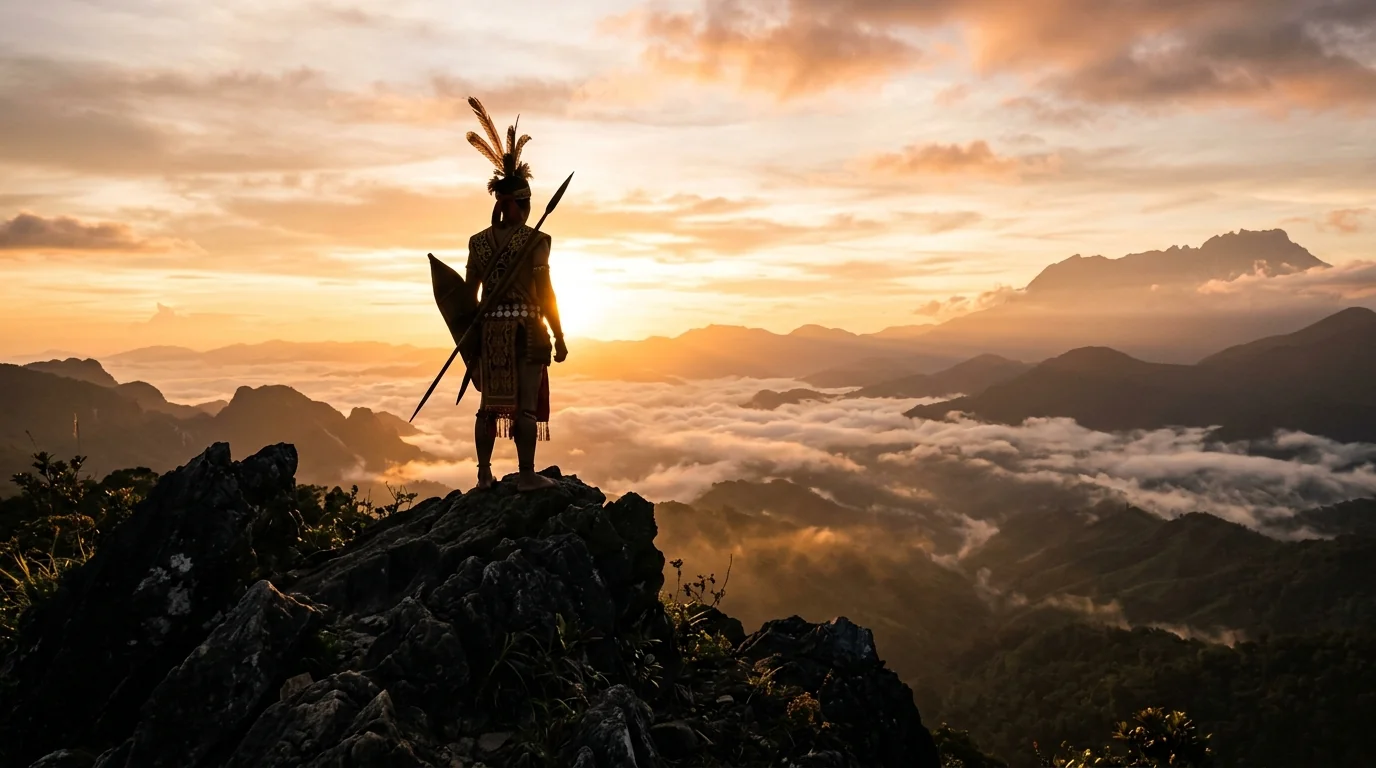
Mat Salleh Rebellion — Bajau chief leads indigenous resistance against British colonial rule
Mat Salleh, a Bajau chief and official Malaysian national hero, led the most significant armed resistance against British colonial rule from 1894 to 1900

Mat Salleh Rebellion (1894–1900)

Datu Muhammad Salleh (Mat Salleh), a Bajau chief from the Lingkabo district, led the most significant armed challenge to British colonial rule. He opposed unfair taxation, land confiscation, and the imposition of foreign laws on indigenous communities. The spark came in August 1895 when company forces attacked and burned his village after he refused to comply with colonial authority.

In July 1897, Mat Salleh led a midnight raid on colonial installations at Gaya Island — the most dramatic act of the rebellion. British forces pursued him for years across a vast area from Sandakan to the interior, with widespread support from local communities. Mat Salleh was killed at Tambunan in 1900, though oral histories maintained by indigenous communities suggest he may have escaped. He remains a legendary symbol of Sabahan resistance.

Rundum Rebellion (1915–1916)

Ontoros Antanom, a Murut warrior, rallied approximately 1,000 fighters in the interior against British colonial authority. The Murut people objected to taxation, conscription, and cultural suppression. Colonial forces suppressed the uprising, but the rebellion underscored the deep discontent across Sabah's interior regions that formal colonialism had failed to extinguish.

ℹ️ Mat Salleh: National Hero

Mat Salleh is officially recognised as a Malaysian national hero. His portrait appears in government buildings and school history textbooks. The Tambunan district — where he made his last stand — commemorates his legacy through local cultural events.

What happened during the Japanese occupation?
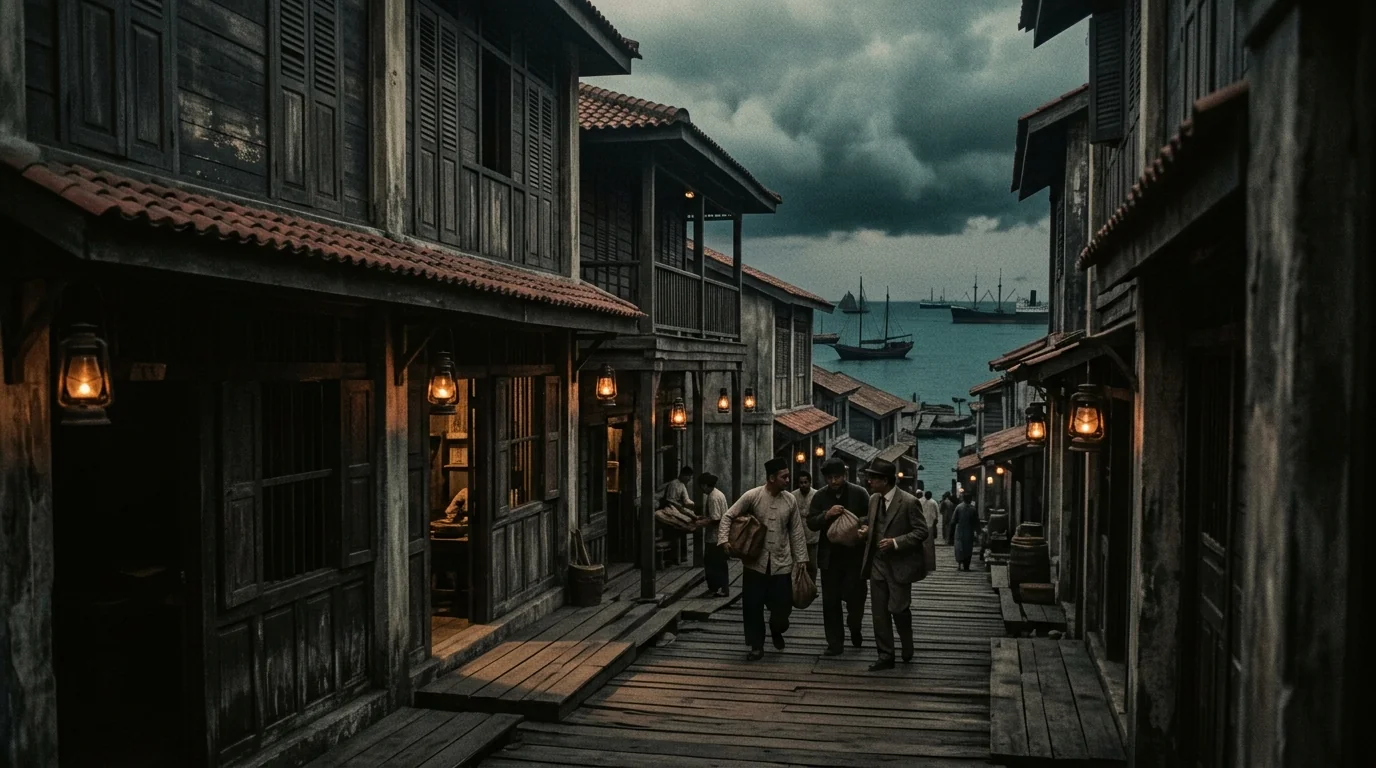
Jesselton Revolt 1943 — multi-ethnic civilian uprising against Japanese occupation
The Jesselton Revolt, October 1943 — a multi-ethnic civilian uprising against Japanese occupation, led by Albert Kwok

On January 18, 1942, Japanese forces invaded Sabah, beginning a brutal 3.5-year military occupation. Jesselton was heavily bombed and nearly completely destroyed. Civilians faced forced labor quotas, food requisitions that caused near-famine conditions, and systematic repression by the Kenpeitai (military police).

In October 1943, a remarkable civilian uprising occurred — the Jesselton Revolt (also called the Double Tenth Revolt). Led by Albert Kwok, approximately 300 fighters from an unprecedented multi-ethnic coalition — Chinese merchants, Dusun, Suluk, Bajau, Eurasian, and Sikh Indian community members — launched coordinated land and sea attacks against Japanese military installations. They temporarily captured Jesselton and neighboring districts before Japanese forces responded with overwhelming force.

The Japanese reprisals were catastrophic. An estimated 2,000–4,000 civilians were executed, primarily in Bajau and Suluk coastal communities that had sheltered the guerrillas. Nearly every village in the affected areas was destroyed. The Kinabalu Guerrillas are distinguished in Pacific War history as a fully civilian-led, multi-ethnic, ideologically independent resistance movement — with no connection to communist organizations or British military command.

What were the Sandakan Death Marches?
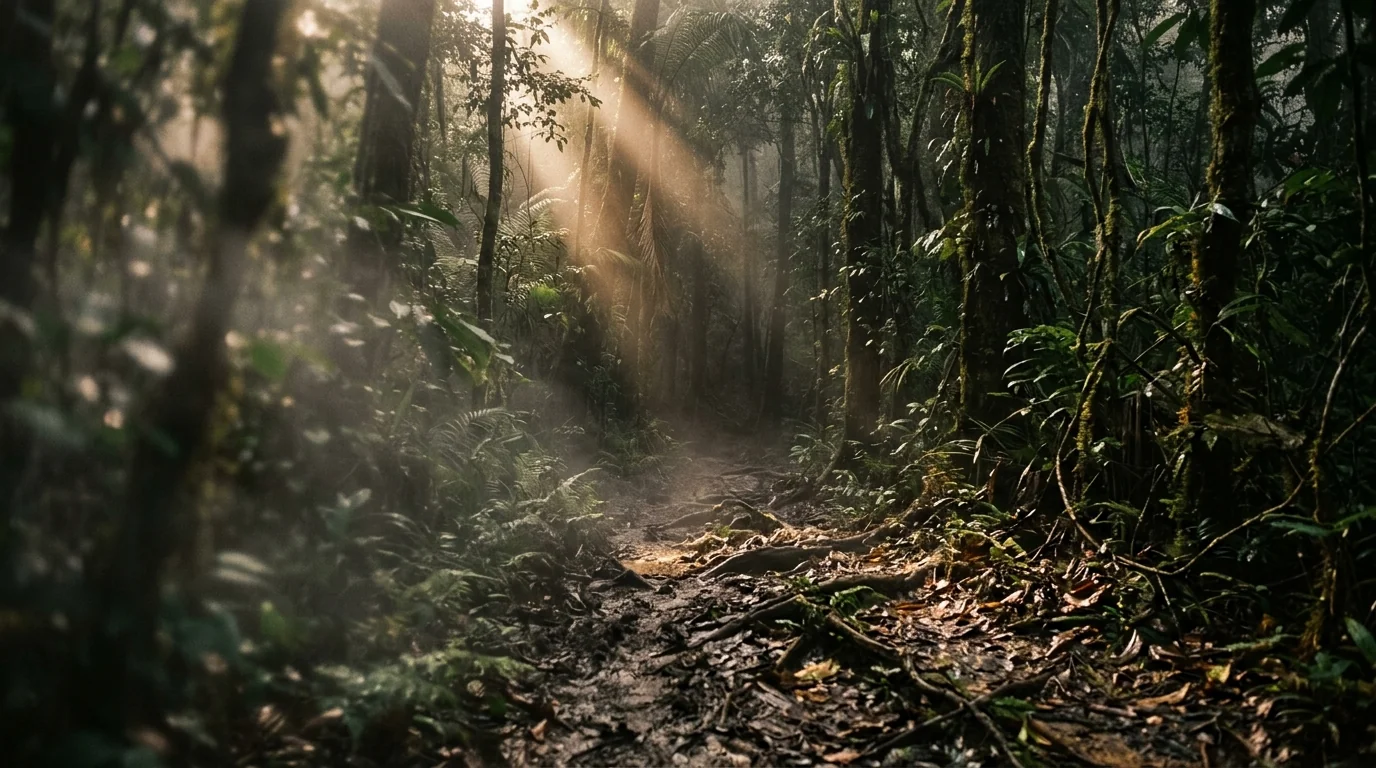
Sandakan Death Marches — Allied POW tragedy, 1945
Sandakan POW Camp, 1942–1945 — of approximately 2,700 Allied prisoners, only 6 survived the death marches

The single worst atrocity of the Japanese occupation in Sabah was the systematic destruction of Allied prisoners of war held at the Sandakan POW Camp. Approximately 2,700 Australian and British servicemen — captured at the Fall of Singapore in February 1942 — were forced to build a military airstrip under brutal conditions of starvation, disease, and beatings.

In January 1945, as Allied forces advanced toward Borneo, camp commandant Captain Hoshijima Susumi ordered prisoners moved 260 kilometres overland from Sandakan to Ranau in a series of forced marches through jungle and mountainous terrain. Prisoners were given only 4 days of food rations for a journey designed to take 9 days. Those too weak or ill to continue were executed — by beheading, bayoneting, or shooting — or left to die.

⚠️ Scale of the Tragedy

Of approximately 2,700 prisoners held at Sandakan, only 6 survived — all Australians who had escaped during the marches. The 88% mortality rate makes Sandakan one of the most lethal Allied POW sites of the entire Pacific War. Camp commandant Hoshijima Susumi was found guilty of war crimes and hanged on 6 April 1946.

The Sandakan Memorial Park, built on the site of the former POW camp, serves as a memorial and educational center. Annual commemorations are held on Anzac Day (25 April) and Sandakan Day (15 August). Entry is free. The memorial remains one of Australia's most significant WWII sites outside of Australia itself.

How did Sabah join Malaysia?
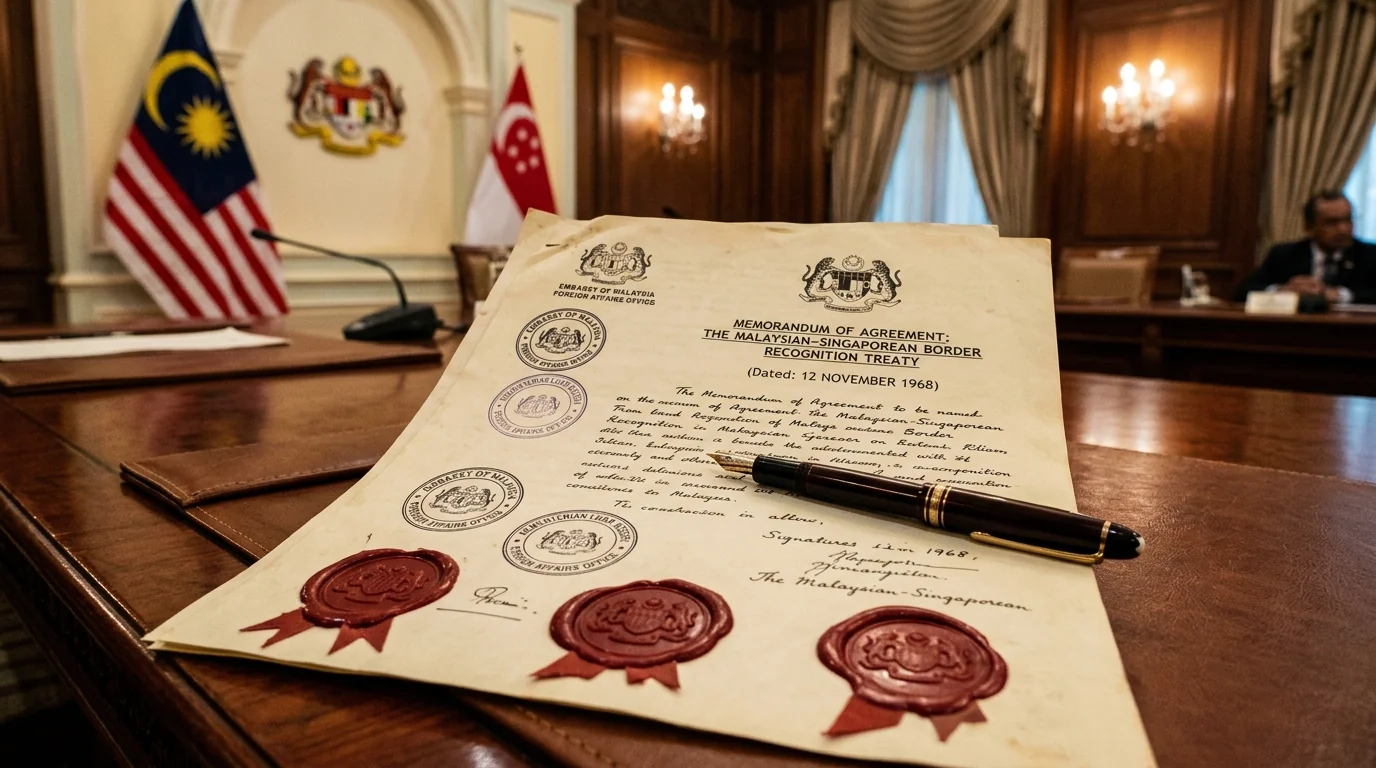
Malaysia Agreement 1963 — Sabah joins Malaysia on 16 September 1963
The Malaysia Agreement 1963 (MA63) was signed in London on 9 July 1963, bringing Sabah into Malaysia on 16 September 1963

After Japan's defeat in 1945, the North Borneo Chartered Company surrendered its rights to the British Government on 15 July 1946, and Sabah became a Crown Colony. The capital was relocated from war-damaged Sandakan to Jesselton, and three successive development plans (1948–1964) rebuilt infrastructure and prepared the territory for self-governance.

In 1962, the Cobbold Commission assessed public opinion in Sabah and Sarawak regarding a proposed federation with Malaya and Singapore. It found that over 70% of the population supported joining Malaysia, though critics have questioned whether the consultation was sufficiently representative.

On 16 September 1963 — now celebrated as Malaysia Day — Sabah, Sarawak, and Singapore joined the Federation of Malaya to form Malaysia. Crucially, Sabah and Sarawak did not simply become constituent states like those in Peninsular Malaysia. They entered through the Malaysia Agreement 1963 (MA63), an international treaty signed in London on 9 July 1963, which guaranteed special protections: control over immigration, state resource rights, educational autonomy, and the permissibility of English in state business. The name "North Borneo" was officially replaced with "Sabah" at this point. These MA63 provisions remain a central political issue in Sabah today, with ongoing debate about federal compliance with the original terms.

How did Kota Kinabalu get its name?
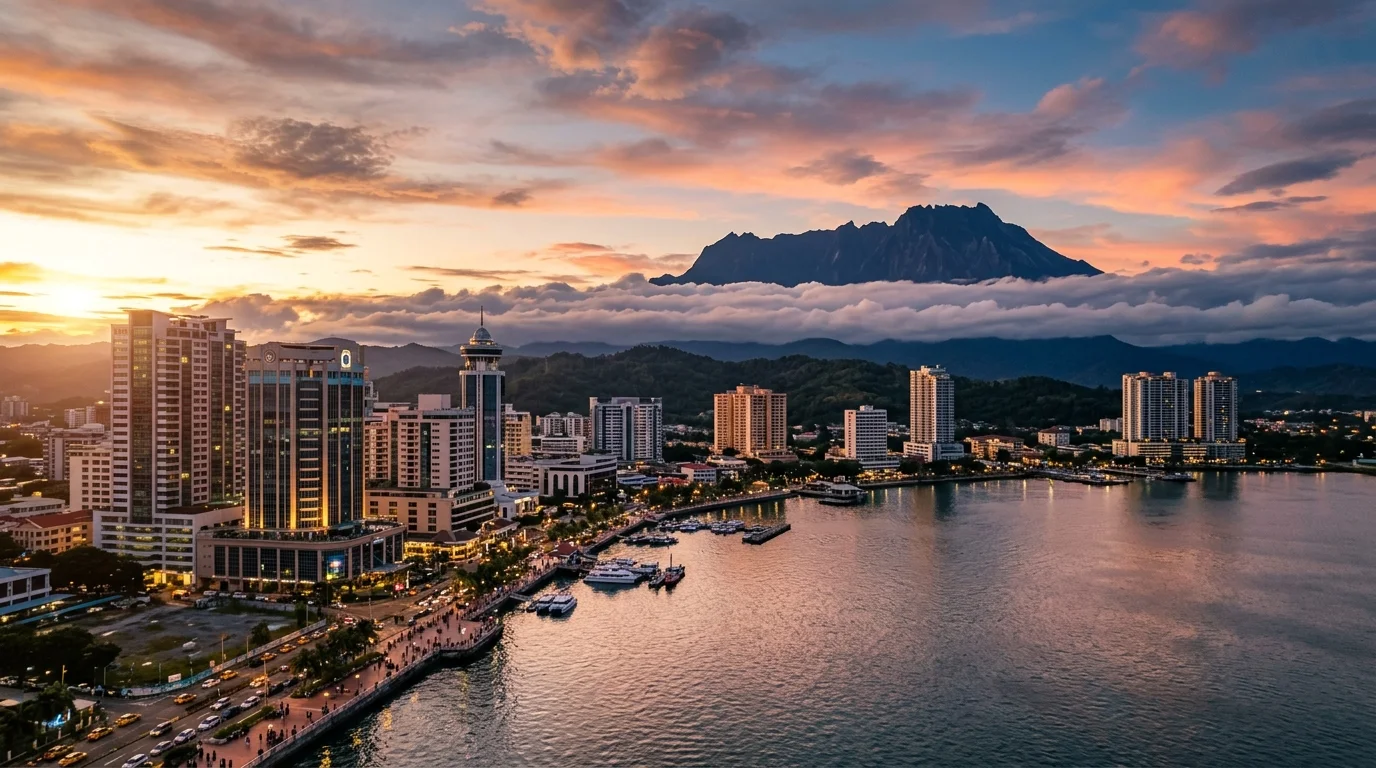
Kota Kinabalu city skyline with Mount Kinabalu in the background
Kota Kinabalu — renamed from Jesselton in 1967, honouring Mount Kinabalu, and granted city status in 2000

The city now known as Kota Kinabalu has had multiple names. A Bajau settlement called Api-Api ("fire fire") predated colonial arrival. When the North Borneo Chartered Company established its second capital here in 1920, they named it Jesselton, after Sir Charles Jessel, a company director.

In 1967 — four years after Malaysia was formed — the city was renamed Kota Kinabalu, meaning "City of Kinabalu" in Malay, in honour of Mount Kinabalu, Sabah's iconic 4,095-metre peak. The renaming was a deliberate act of post-colonial nation-building, replacing a colonial British name with one that honoured local identity and geography. "Kota" means "fort" or "city." The city was officially granted city status in 2000 and has since grown to a metropolitan population of over 600,000.

Sabah history timeline

~23,000 BCE
Earliest human settlement in Sabah — hunter-gatherers during the Ice Age
15th century
Brunei Sultanate expands to coastal Sabah; Sulu Sultanate founded (1405/1457)
1704
Eastern Sabah allegedly ceded by Brunei to the Sultanate of Sulu
1878
William Cowie negotiates territorial concession from Sultan of Sulu for 5,000 Spanish dollars
1881
North Borneo Chartered Company granted royal charter (1 November). Kudat becomes first capital
1883
Capital moves to Sandakan; tobacco plantation boom begins
1894–1900
Mat Salleh Rebellion — Bajau chief Datu Muhammad Salleh leads armed uprising against colonial rule
1897
Mat Salleh raids and burns colonial installations at Gaya Island
1905
Atkinson Clock Tower built in Jesselton — oldest surviving colonial structure in KK today
1915–1916
Rundum Rebellion — Murut warrior Ontoros Antanom leads ~1,000 fighters against British rule
1920
Capital moves from Sandakan to Jesselton (modern KK)
1942
Japanese forces invade (18 January). Jesselton bombed and nearly destroyed. Sandakan POW Camp established
1943
Jesselton Revolt (October) — multi-ethnic Kinabalu Guerrillas rise against occupation; 2,000–4,000 civilians killed in Japanese reprisals
1945
Sandakan Death Marches (January–August). Only 6 of ~2,700 POWs survive. Japan surrenders (August). Allied liberation
1946
BNCC surrenders rights to British Crown (15 July). Sabah becomes Crown Colony. Capital moves to Jesselton
1962
Cobbold Commission: 70%+ of Sabah population favours joining Malaysia
1963
Malaysia Agreement 1963 (MA63) signed in London (9 July). Malaysia formed on 16 September. "North Borneo" renamed "Sabah"
1967
Jesselton renamed Kota Kinabalu, honouring Mount Kinabalu
2000
Kota Kinabalu granted city status
2009
Kinabalu Park designated UNESCO World Heritage Site
2015
Ranau Earthquake (5 June) — 6.0 magnitude quake kills 18 people, including school children on Mount Kinabalu

Deep-dive articles on Sabah history

Each article below goes beyond the overview — with detailed research, visitor information, comparison tables, FAQ sections, and further reading on key events, buildings, and people in Sabah's history.

WWII Sandakan Death Marches The worst Allied POW atrocity in Borneo — 2,700 prisoners, only 6 survived WWII Jesselton Revolt 1943 Multi-ethnic civilian uprising against Japanese occupation Colonial Era Mat Salleh Rebellion Sabah's greatest indigenous resistance against British rule (1894–1900) Modern History The Double Six Disaster The 1976 plane crash that wiped out most of Sabah's government Heritage Site Atkinson Clock Tower KK's oldest surviving building — free entry, open 24 hours Heritage Museum Agnes Keith House Colonial author and WWII internee — heritage museum in Sandakan Memorial Sandakan Memorial Park The original POW camp site — free entry, Anzac Day ceremonies Memorial Kundasang War Memorial Four gardens honouring the WWII fallen, set against Mount Kinabalu Modern History Malaysia Agreement 1963 The treaty that brought Sabah into Malaysia — and why its 20 Points still matter Founding Father Tun Fuad Stephens Sabah's first Chief Minister — negotiated MA63, died in the Double Six crash WWII Albert Kwok Fen Nam Leader of the Kinabalu Guerrillas — the civilian who planned the Jesselton Revolt Colonial Era Rundum Rebellion The 1915 Murut uprising against British taxation — Sabah's last indigenous revolt Modern History Project IC The demographic scandal confirmed by royal commission — how Sabah's population changed WWII Berhala Island Where Agnes Keith was interned — WWII civilian camp, now a protected marine park Heritage Site North Borneo Railway 134km colonial steam railway through the Padas Gorge — still running today Heritage Museum Sabah State Museum Four floors of natural history, indigenous culture, and colonial heritage in KK Heritage Site St. Michael's Church Sandakan The 1893 sandstone Anglican church — oldest surviving colonial building in Sandakan Heritage Site Mat Salleh Memorial Monument The Tambunan monument honouring Sabah's greatest resistance hero Colonial Era British North Borneo Chartered Company How a corporation ruled Sabah for 65 years — from 1881 to the Japanese invasion Modern History Philippines Sabah Claim Why Manila still officially claims Sabah — the Sulu lease, 1963, and Lahad Datu 2013 Modern History MA63 Autonomy Rights What Sabah was promised in 1963 — and how much has actually been delivered Modern History 1985 Sabah State Election The night Pairin waited overnight to be sworn in — PBS's historic victory over Berjaya WWII Fall of Jesselton 1941 How Japan conquered British North Borneo in days — and what occupation meant for Sabah Colonial Era Ontoros Antanom The Murut warrior who led the Rundum Rebellion — Sabah's last indigenous uprising Colonial Era William Cowie Scottish gunrunner turned BNCC co-founder — the man Fort Cowie is named after Colonial Era Kudat — Sabah's First Capital Sabah's first colonial capital (1881-1883) and home of the Rungus longhouse community Colonial Era Sandakan Colonial Capital Timber boomtown, Agnes Keith, Death Marches, Allied bombing — the city destroyed twice Heritage Site Gomantong Caves Sabah's largest limestone cave — millions of bats, edible bird nests, and a boardwalk Heritage Site Sabah Tourism Board Building One of only five pre-WWII buildings left standing in KK — now the main tourist info centre Heritage Site Keningau Oath Stone Where Sabah's leaders swore to join Malaysia in 1963 — the Batu Sumpah of the interior Heritage Site Padang Merdeka KK KK's historic town square — venue for Malaysia Day, Kaamatan, and Sabah's biggest events Heritage Site Jesselton Hotel KK's oldest operating hotel since 1954 — colonial charm on Jalan Gaya Heritage Museum Muzium Warisan Keningau Interior Sabah's heritage museum — Murut blowpipes, Kadazan culture, free entry Heritage Site Sam Sim Kung Temple One of Sandakan's oldest Chinese temples — survived WWII bombing, still active today Heritage Site Fort Cowie Kudat Remnants of the BNCC's first colonial fort — built to defend Sabah's original capital Hub Historic Buildings and Sites — Full Guide All 16 verified heritage sites with entry fees, hours, and a 5-day trail itinerary
Q When was Sabah founded?
Sabah has been inhabited for 23,000–30,000 years, making it one of Southeast Asia's oldest inhabited regions. As a modern political entity, Sabah was established when the North Borneo Chartered Company was granted a royal charter on 1 November 1881. It became a Malaysian state on 16 September 1963 — Malaysia Day.
Q Why is Sabah called the "Land Below the Wind"?
Sabah sits just south of the typhoon belt that sweeps across the Philippines and the South China Sea. Because it is geographically positioned below the main typhoon path, it rarely experiences direct typhoon hits. European traders and sailors noted this relative calm and called it the "Land Below the Wind" — a name that has stuck for centuries.
Q Who were the Kinabalu Guerrillas?
The Kinabalu Guerrillas (also called the Double Tenth Revolt) were a multi-ethnic civilian resistance movement that rose up against Japanese occupation in October 1943. Led by Albert Kwok, the force of approximately 300 fighters included local Chinese merchants, Dusun, Suluk, Bajau, Eurasian, and Sikh Indian community members. They temporarily captured Jesselton and neighboring districts before Japanese forces violently suppressed the uprising, killing 2,000–4,000 civilians in reprisals.
Q What is Malaysia Day and why is it significant for Sabah?
Malaysia Day (16 September 1963) marks the date Sabah, Sarawak, and Singapore joined the Federation of Malaya to form Malaysia. Unlike Peninsular states which joined through constitutional means in 1957, Sabah and Sarawak entered via an international treaty — the Malaysia Agreement 1963 (MA63) — which granted them special protections including immigration control, resource rights, and educational autonomy. MA63 remains a significant political issue in Sabah today.
Q Where can I visit historical sites in Sabah?
Key historical sites include: Sandakan Memorial Park (former WWII POW camp site, free entry); Agnes Keith House in Sandakan (colonial-era heritage home, RM15 entry); Atkinson Clock Tower in KK (oldest surviving building in the city, built 1905); Sabah State Museum & Heritage Village (exhibits on Sabah history and culture); and various colonial-era architecture in KK's waterfront district. See our Places to Visit guide for locations, opening hours, and tips.
Q Did Sabah vote to join Malaysia?
The Cobbold Commission (1962) was established to assess public opinion in Sabah and Sarawak regarding federation. It found that over 70% of the population favored joining Malaysia, though critics have questioned the commission's methodology and representative scope. There was no direct referendum. The decision was ultimately made through political negotiation and the signing of the Malaysia Agreement 1963 in London.
Q What is the Philippines' claim to Sabah?
The Philippines has maintained a "dormant claim" to eastern Sabah since 1963, based on the argument that the 1878 agreement between Scottish businessman William Cowie and the Sultan of Sulu was a lease, not a permanent sale of territory. As the successor state to Spanish colonial rule in the Philippines, Manila argues it inherited these Sulu Sultanate claims. As of 2026, this claim has never been pursued through international courts and diplomatic relations between Malaysia and the Philippines remain normal.
🎁 Monthly Giveaway

Win a RM150 Grab Voucher

Every month, one lucky Sabahan wins big. Enter for free — takes 30 seconds. Extra entries for following us on social media.

Enter the Giveaway →

Free to enter. New winner every month.

🎁
RM150
Grab Voucher
1 winner · every month