Kaamatan Visitor Guide: What to Wear, Bring & Expect
What's Kaamatan and what should a first-timer know?
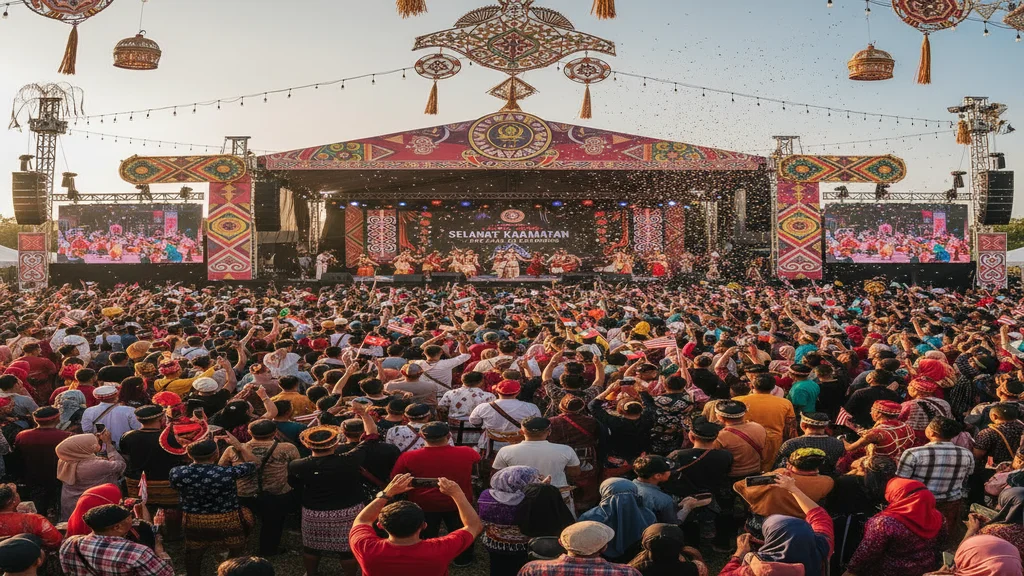
Kaamatan is Sabah's annual harvest festival celebrating the Kadazan Dusun tradition, held May 30-31 at KDCA (Kadazandusun Cultural Association). It's a public holiday featuring the Unduk Ngadau pageant, traditional food, cultural performances, family activities, and fireworks. Expect 10,000+ visitors, crowds, heat, and May rain. Book accommodation early. Wear light, breathable clothes and bring water. General admission is RM25-30. Most stalls are cash-only. It's safe, family-friendly, and unforgettable for first-timers.
What should I know before visiting Kaamatan?
Dates & Location: Kaamatan is held May 30-31 each year, with district celebrations throughout May. The state-level festival is at KDCA in Kota Kinabalu. It's a public holiday in Sabah, so everything is closed except restaurants and shops catering to tourists.
It's Peak Tourist Season: May is the busiest time for Sabah tourism. Hotels book out 2-3 months in advance, flights are full, and festival grounds are packed on May 30-31. If visiting for Kaamatan, book flights and accommodation by February-March at the latest. Expect RM150-400+ per night for mid-range hotels; budget hotels are RM60-120.
Weather (May = Rainy Season): Sabah's rainy season peaks in May. Expect afternoon downpours (usually brief but heavy), high humidity (80%+), and occasional overcast mornings. Bring an umbrella. The rain doesn't cancel events—Kaamatan runs regardless. Covered areas at KDCA provide shelter.
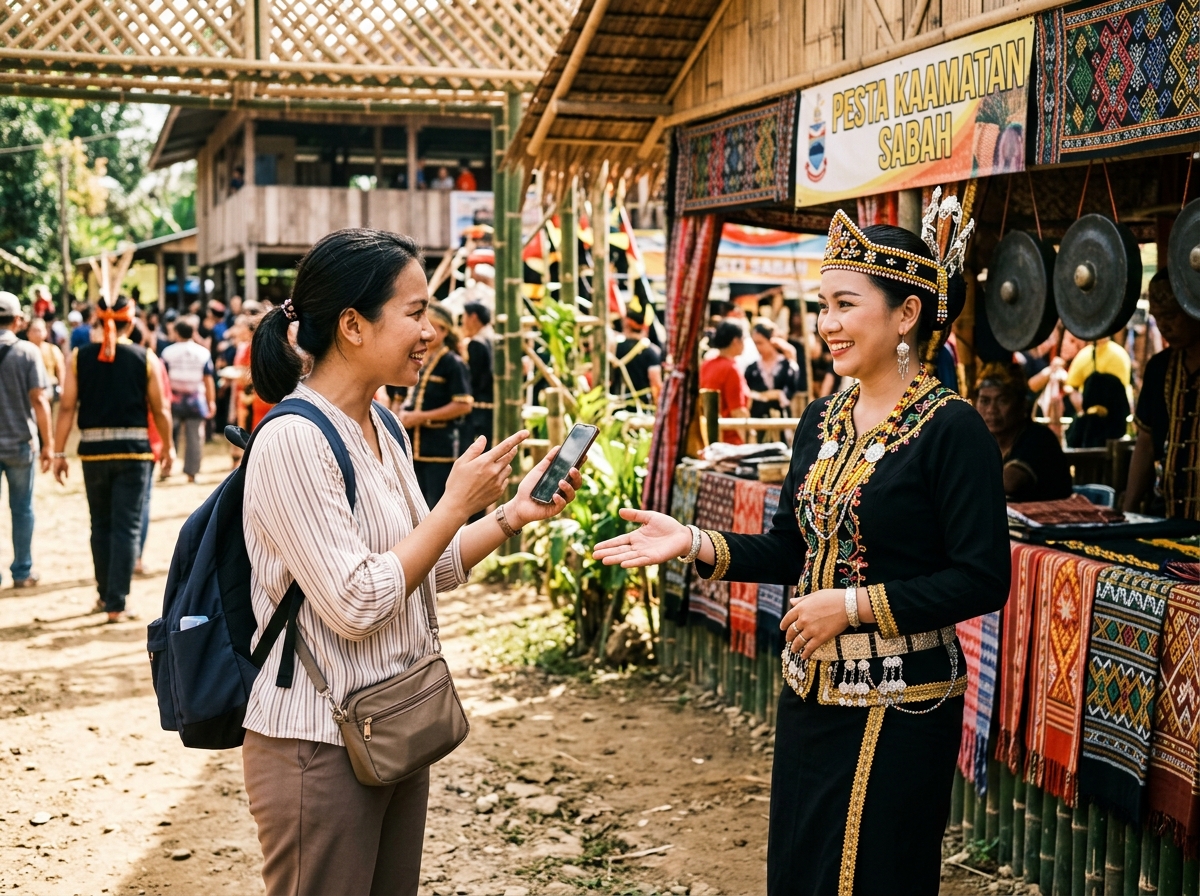
Language: Kaamatan is primarily in English, Malay, and Kadazan Dusun. Most officials speak English. Signage is in Malay and English. If you only speak English, you'll manage fine, but learning a few Malay phrases helps. The Kaamatan greeting is "Kotobian Tadau Tagazo Do Kaamatan" (Happy Kaamatan).
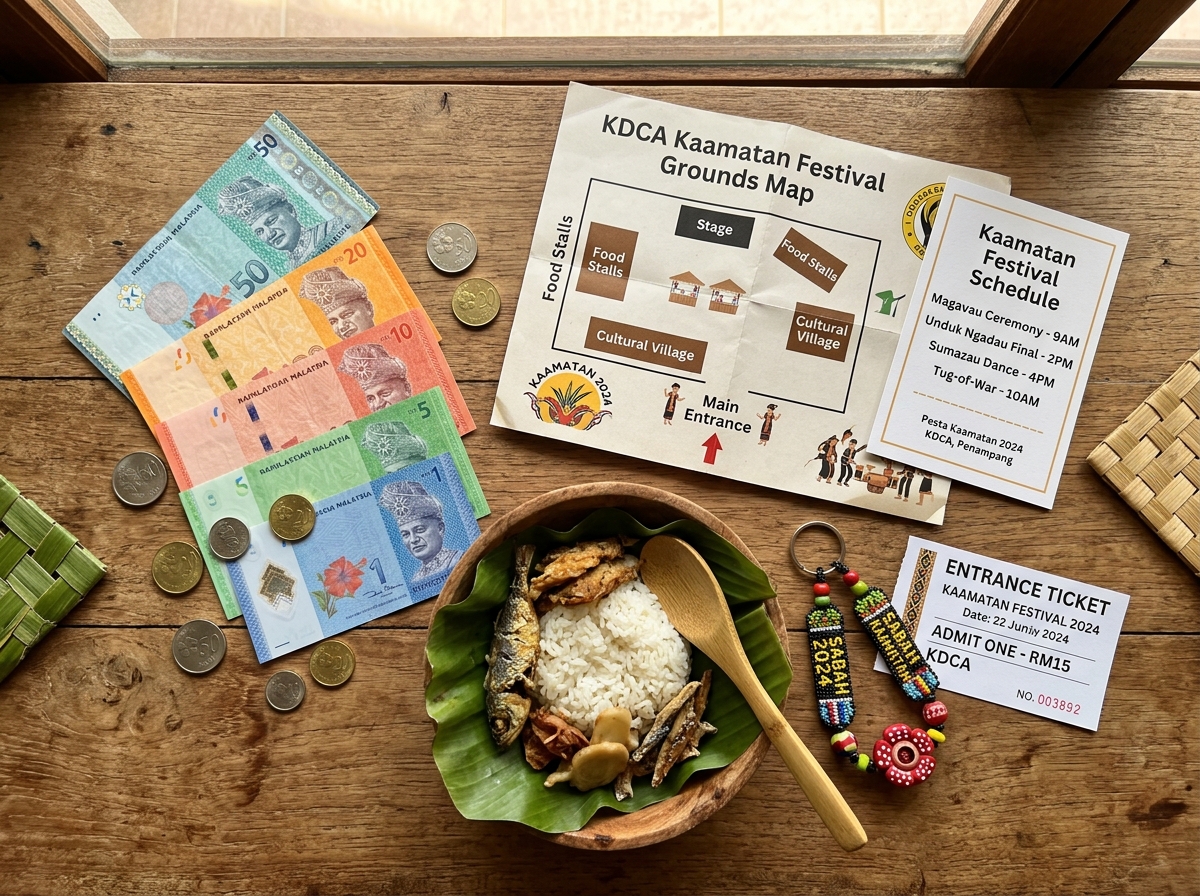
Currency & Costs: Malaysia uses the Ringgit (RM). 1 USD = ~4.3 RM (as of 2026). Bring cash—many stalls at KDCA don't accept cards. ATMs are available in town and at KDCA.
Visa & Entry: Most visitors don't need a visa for Malaysia. Check your country's visa requirements. Your passport must be valid for at least 6 months.
How to Get to Sabah: Fly into Kota Kinabalu International Airport (BKI). Direct flights from Kuala Lumpur, Singapore, and other Southeast Asian cities. From the airport, take Grab (RM20-30) or taxi (RM30-50) to your hotel. Journey is 20-30 minutes depending on traffic.
Electricity & Power: Malaysia uses 220V, 50Hz. Plugs are Type G (three rectangular pins). Bring a universal adapter or buy one in town for RM5-15. Charge your phone daily—you'll use it for Grab, maps, photos, and staying connected.
What should I wear to Kaamatan?
Fabric & Fit: Light, breathable cotton or linen are essential. Sabah is hot and humid; avoid heavy synthetics. Loose-fitting clothes work better than tight fits for moving through crowds and handling heat. Neutral colors (white, cream, light gray) reflect heat; if you want color, opt for pastels.
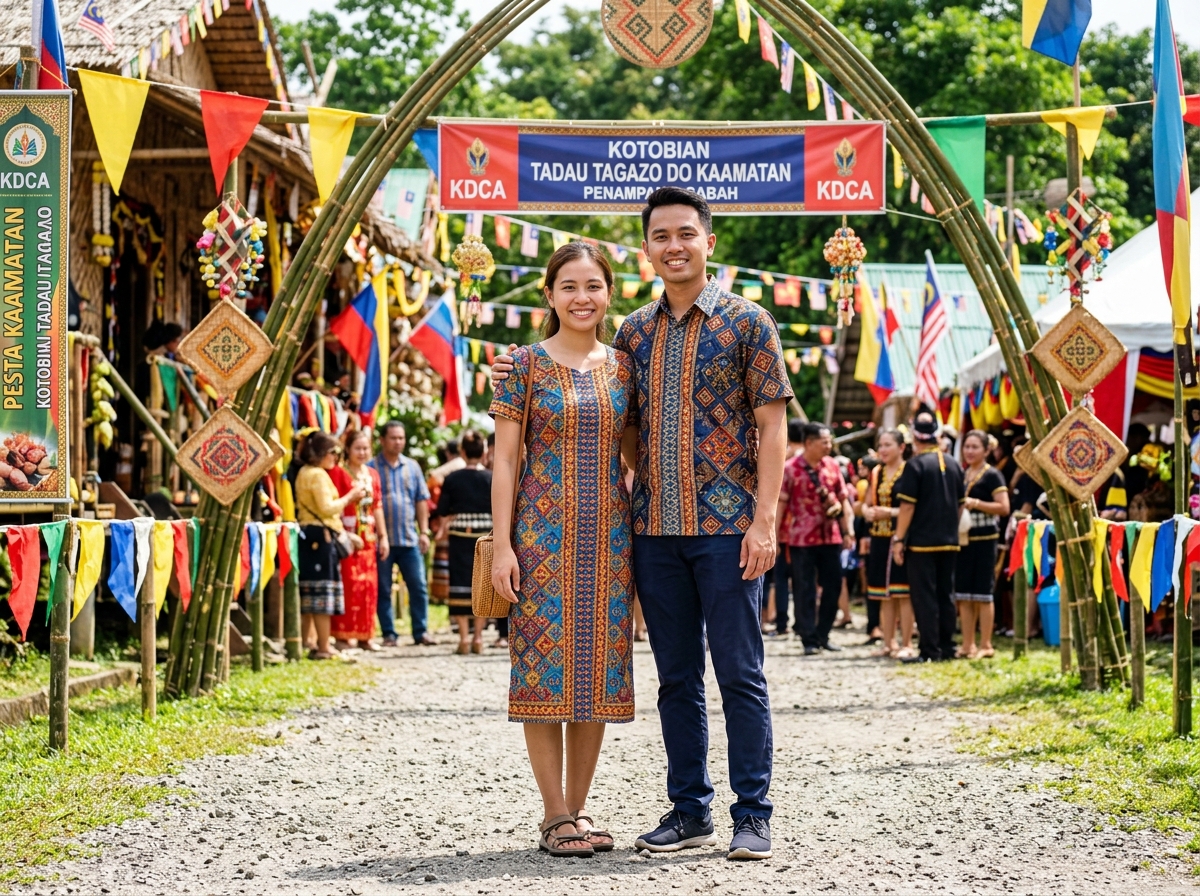
For Ceremonies (Magavau & Cultural Events): Dress modestly—cover shoulders and knees. Avoid revealing outfits, tight clothes, or beachwear. Traditional Kadazan dress is the ultimate compliment (rental available), but modest Western clothes are perfectly acceptable. The Magavau ceremony (honoring Huminodun) is sacred; dress with respect.
Bright Colors Welcome: While modest, you can absolutely wear bright colors. Greens, lime (SabahGuide brand color!), yellows, and reds are festive and blend well with Kaamatan's vibrant atmosphere. Many locals wear colorful shirts and sarongs.
Footwear: Comfortable walking shoes are essential—you'll walk 5-10km on Kaamatan grounds. Avoid heels; go for athletic shoes, sandals with arch support, or casual sneakers. You'll remove shoes at some traditional houses and ceremonies, so easy slip-ons help. Waterproof shoes are smart given May rains.
Sun & Rain Protection:
- Hat or cap: Absolute essential. Baseball caps, wide-brimmed hats, or lightweight straw hats work well.
- Sunscreen: SPF 30+. Reapply every 2 hours, especially if sweating. Many first-timers underestimate Sabah sun intensity.
- Sunglasses: Protect eyes and reduce glare. Polarized lenses reduce reflection off festival structures.
- Umbrella or rain jacket: May rains are brief but intense. A compact umbrella fits in a small bag. Rain jackets work too—bring one you don't mind getting wet.
Traditional Costume Rental: If you want to experience Kaamatan in traditional dress, rent a Sinuangga (Kadazan women's costume) or similar for RM20-50. Vendors at KDCA offer rentals with beaded breastplate (dusung), sarong (tindal), and headdress (singki). Rentals are usually for 2-4 hours. Plan 1-2 hours for photos in traditional dress—it's a highlight for many visitors.
What NOT to Wear: Avoid bikinis, tank tops, or short shorts at the festival itself (they're fine at the beach or hotel). Don't wear anything offensive (political slogans, religious criticism). Extremely casual gym wear looks out of place—at least basic casual (t-shirt and shorts or pants) is better.
What should I bring?
Essential Items:
- Cash: RM200-300 for a day visit. Many stalls only take cash. Bring small notes (RM5, RM10) for snacks and drinks.
- Water bottle: Refillable bottle (1L+). Tap water in Kota Kinabalu is safe; refill at vendor stalls or your hotel.
- Phone & charger: Essential for Grab, maps, emergency contact, photos. Bring a portable power bank (5,000-10,000 mAh)—the day is long and you'll use a lot of battery.
- Hat & sunscreen: As above. Non-negotiable for comfort and safety.
- Small bag or backpack: Carry essentials without being encumbered. 15-20L is ideal—big enough for water, phone, camera, jacket, but not so large you can't move through crowds.
- Umbrella or rain jacket: As above. May afternoon showers are typical.
- ID/Passport: Not required on festival grounds, but keep it safe at your hotel. Bring a photocopy or scan if you need ID.
Nice-to-Have Items:
- Camera: Phone cameras are fine, but a DSLR or mirrorless camera will capture better photos, especially in dim stage lighting at Unduk Ngadau.
- Power bank: As above—critical if you'll be at KDCA 8+ hours.
- Medications: Any personal medications in original bottles. Bring a small first-aid kit (plasters, pain reliever, antihistamine for bug bites).
- Snacks: Some vendors have high prices; bring protein bars or nuts if you want backup snacks.
- Zip bags or waterproof pouch: Protect electronics from rain and sweat.
- Comfortable bag for shopping: If you plan to buy souvenirs, bring a foldable bag that expands.
What NOT to Bring:
- Large bags or backpacks: They're hard to move with in crowds and get caught on things. Stick to small-medium daypacks.
- Valuables: Don't bring expensive jewelry, multiple credit cards, or large amounts of cash. Keep valuables in your hotel safe.
- Fragrance & perfume: You'll sweat; it's unnecessary and can be off-putting in crowds.
- Glass bottles or rigid containers: Not allowed in some areas of KDCA for safety.
How much does Kaamatan cost?
Daily Budget Breakdown: Plan RM100-200 per person for a comfortable day at Kaamatan.
| Category | Cost (RM) | Notes |
|---|---|---|
| General Admission (KDCA) | 25-30 | One-day pass to festival grounds. Children under 12 may be free. |
| Unduk Ngadau Ticket (May 31) | 30-150 | Only if watching pageant. VIP seating (RM100-150) worth it for best view. |
| Sodop Evening Wear (dates pending — historically May 28-29) | 30-100 | Optional fashion gala. Regular seating RM30-50, premium RM100. |
| Food & Drinks | 40-80 | Breakfast outside KDCA (RM5-10), lunch inside (RM8-15), snacks (RM3-8), drinks (RM2-5). |
| Souvenirs & Shopping | 20-60 | T-shirts (RM15-25), crafts (RM10-50), traditional items (RM20-150+). |
| Transport (Grab/Taxi) | 15-25 | Hotel to KDCA return trip. Factor in waiting time if dropping multiple people. |
| Costume Rental (Optional) | 20-50 | Rent Sinuangga or traditional dress for 2-4 hours of photos. |
| TOTAL (1-Day Basic) | 130-160 | Admission + food + transport + small souvenirs. |
| TOTAL (1-Day + Pageant) | 175-250 | Admission + pageant ticket + food + transport + shopping. |
3-Day Festival Trip Budget (per person):
- Accommodation (2 nights): RM120-300 (budget) or RM250-600 (mid-range)
- Flights to Sabah: RM100-400 (from Malaysia) or more (international)
- Festival costs (2 full days): RM300-400 (admission + food + shopping + transport)
- Other meals & activities: RM100-200
- TOTAL: RM700-2,000+ per person (depending on origin, accommodation choice, and spending habits)
Money-Saving Tips:
- Visit on May 30 instead of May 31—slightly smaller crowds and same experience.
- Book accommodation outside prime dates (May 29-June 1) if you can. Hotels 5km from KDCA are cheaper but require Grab transport.
- Eat outside KDCA (cheaper) and bring snacks inside for the afternoon.
- Skip VIP seating if you watch Unduk Ngadau on livestream from your hotel instead.
- Attend district celebrations in smaller towns (May 1-28) instead of state festival—lower costs, less crowded.
What's the best day-by-day itinerary?
Option 1: 1-Day Quick Visit
If you only have one day, this is your itinerary:
| Time | Activity | Duration |
|---|---|---|
| 7:30 AM | Wake up, eat quick breakfast at hotel or local kopi tiam (coffee shop) | 30 min |
| 8:00 AM | Grab to KDCA (avoid peak traffic). Check in, buy admission ticket (RM25-30) | 20-30 min |
| 8:30 AM | Walk festival grounds, check schedule, scout best spots for photos and seating | 30 min |
| 9:00 AM | Watch cultural performances (Sumazau dance, traditional music) | 60 min |
| 10:00 AM | Visit craft vendors, try butod tasting (traditional tapai/rice wine tasting) | 45 min |
| 10:45 AM | Light snack (noodles, kuih-muih) from food stalls | 20 min |
| 11:05 AM | Browse traditional costume vendors; rent Sinuangga if interested (1-2 hours for photos + costume change) | 90-120 min |
| 12:30 PM | Lunch at festival food court (lontok, tinutuan, grilled fish, traditional dishes) | 45 min |
| 1:15 PM | Rest in shaded area; watch live performances or stage shows | 60 min |
| 2:15 PM | Explore exhibits: Kaamatan history, cultural displays, local businesses | 60 min |
| 3:15 PM | Cool down (shade, water, ice cream). Light afternoon rain likely—wait it out | 30 min |
| 3:45 PM | Shop for souvenirs: t-shirts, crafts, local products (beaded items, honey, coffee) | 60 min |
| 4:45 PM | Watch evening performances (more energetic energy as heat cools) | 60 min |
| 5:45 PM | Grab to restaurant/hotel area. Dinner (outside KDCA cheaper than inside) | 60 min |
| 6:45 PM | Return to hotel, rest, optionally watch evening entertainment or fireworks on TV | — |
Option 2: 3-Day Festival Experience (May 29-31)
Day 1 (May 29 — Evening Event Day):
- Afternoon: Arrive in Kota Kinabalu, check into hotel, rest.
- Evening (6 PM): Head to Sodop Unduk Ngadau fashion gala at KDCA (2026 dates pending KDCA confirmation; historically May 28–29). Dinner first, then event. Tickets RM30-100. Watch contemporary fashion blended with traditional motifs. Light, fun, Instagram-friendly.
- Late evening: Return to hotel, sleep.
Day 2 (May 30 — Main Festival Day):
- 8:00 AM: Full day at KDCA using the 1-Day itinerary above.
- Evening: Dinner in Kota Kinabalu town center (Warisan Square or Asian City area). Optional evening entertainment or rest.
Day 3 (May 31 — Unduk Ngadau Finals):
- 7:00 AM: Light breakfast, arrive at KDCA by 8 AM to secure good seating for Unduk Ngadau State Finals (9-10 AM start, runs all day).
- 9:00 AM-5 PM: Watch Unduk Ngadau pageant (cultural knowledge rounds, traditional costume, finals). Multiple rounds, very engaging.
- 5:00 PM: Grab to dinner. Wind down evening.
- Evening: Pack, prepare to depart. Optional: Watch fireworks from hotel or town if available.
What to Prioritize if Time is Short:
- #1 Priority: Watch Sumazau dance (traditional harvest dance). It's iconic and brief (15-20 min), so catch this even if time is limited.
- #2 Priority: Visit food vendors and taste traditional dishes (butod, kuih-muih, tinutuan). Food is the heart of Kaamatan.
- #3 Priority: Browse craft & souvenir vendors to appreciate local artisanship.
- #4 Priority: Watch Unduk Ngadau pageant if possible (especially May 31 finals)—it's the cultural centerpiece.
- #5 Priority: Rent traditional dress for photos—bucket list moment for most visitors.
- Optional (If Time): Sodop fashion gala, exhibits, additional performances.
What are the cultural do's and don'ts?
DO's:
- Ask before photographing ceremonies and people. Most will say yes, but it's respectful to ask first. Don't photograph the Magavau ceremony without permission—it's sacred.
- Say "Kotobian Tadau Tagazo Do Kaamatan" (Happy Kaamatan) to locals. They'll be delighted you made an effort.
- Accept offered tapai graciously. It's a core Kaamatan ritual. If you don't want much, ask for a small sip. Refusing entirely is considered rude. Taste politely; you don't need to finish the glass.
- Respect the Magavau ceremony. No flash photography. Dress modestly (covered shoulders and knees). Be silent during prayers. Stand at respectful distance.
- Remove shoes when entering traditional houses. Many displays have traditional Kadazan homes; shoes come off. Locals will indicate where to place them.
- Learn the Huminodun legend. Understanding why Kaamatan exists deepens your respect for the celebration. Read the legend before you visit.
- Tip performers and vendors. If you enjoy a performance or buy something, RM1-5 tips are appreciated. Street performers especially depend on tips.
- Be respectful during pageants. Applaud all contestants equally. Don't yell or cheer so loudly that people can't hear questions. Cultural pageants aren't like Western beauty shows—they're serious events.
DON'Ts:
- Don't refuse offered food or drink abruptly. Kadazan Dusun hospitality is genuine. If you can't eat/drink, politely explain (allergies, dietary restrictions) and thank them warmly.
- Don't take photos of people without asking. Especially elders and during ceremonies. Always ask first.
- Don't use flash during Magavau ceremony or evening performances. It's disruptive and disrespectful. Phone flashes count—turn them off.
- Don't wear revealing or disrespectful clothing at ceremonies. Keep shoulders and knees covered during cultural events.
- Don't criticize Kadazan Dusun culture or customs. This is their celebration. Respect it even if it's unfamiliar.
- Don't touch sacred items without permission. Traditional altars, ceremonial objects, and religious artifacts are not props. Ask before touching anything in temples or ceremony areas.
- Don't bargain aggressively at vendors. Initial prices are usually fair. Light negotiation (RM5-10 off larger purchases) is acceptable; aggressive haggling is disrespectful.
- Don't speak loudly in quiet areas. During cultural events and ceremonies, keep noise low. Let people hear and focus on the performance.
Tapai Etiquette: Tapai is a traditional rice wine offered at Kaamatan. It's low alcohol (5-8%) and is shared as a symbol of hospitality. When offered:
- Take the cup with both hands (respectful gesture).
- Say "Terima kasih" (thank you) or "Terima kasih banyak" (thank you very much).
- Sip politely. You don't need to finish it.
- If you don't drink alcohol, say "Saya tidak minum alkohol, tapi terima kasih" (I don't drink alcohol, but thank you). Most people will respect this.
What if it rains?
May is Sabah's rainy season. Expect afternoon downpours 60% of the time. Rain is brief but heavy—usually 20-40 minutes.
What Happens at KDCA When It Rains:
- Outdoor events pause. Sumazau dances and outdoor performances move under cover or reschedule.
- Covered areas fill up. The KDCA hall, vendor stalls with awnings, and food courts become crowded as people shelter.
- Festival doesn't close. Kaamatan runs rain or shine. Most exhibits and vendors continue indoors or under cover.
- Grounds become slippery. Watch your footing; wear waterproof shoes or ensure good traction.
Rain Gear:
- Umbrella: Compact, windproof umbrellas are ideal. Avoid large umbrellas—they take up space in crowds. Cost: RM10-20 or buy one at KDCA for RM15-30.
- Rain jacket: Lightweight, packable rain jackets are excellent. They free up your hands for walking and photos.
- Waterproof bag cover: Protect electronics and valuables. Zip bags or waterproof pouches work.
If It Pours the Whole Day: Rare, but it happens. Kaamatan still runs. Head to the KDCA exhibition halls (indoor), watch indoor cultural talks or vendor demonstrations, and enjoy food/shopping. The pageants and major events still happen under cover or indoor.
Pro Tip: Afternoon rain is predictable. Plan lighter, covered activities (shopping, exhibits) for 2-4 PM, and main events (performances, pageants) for morning and evening when it's typically dry.
Is Kaamatan safe?
Short answer: YES. Kaamatan is a family-friendly, well-organized festival. Sabah is generally safe for tourists. Violent crime against tourists is extremely rare. However, use common sense as you would at any large festival.
General Safety:
- Petty theft: Pickpocketing exists in crowded areas (just like any major festival). Keep valuables in your front pocket or hidden pouch. Don't carry large amounts of cash in a single visible wallet.
- Traffic safety: Ride-hailing (Grab) is safe and regulated. Avoid unmarked taxis. Traffic drives on the left in Malaysia.
- Alcohol safety: Kaamatan involves tapai (rice wine) shared freely. Drink responsibly. Don't overindulge and don't drink and drive (Grab is cheap for safety).
- Sun safety: Heat stroke and dehydration are real. Wear sunscreen, drink water constantly, and rest in shade during peak heat (11 AM-3 PM).
- Crowds: Large festival crowds can be chaotic. Keep sight of companions, hold children's hands, and move slowly in tight crowds.
Health & Medical:
- Mosquito-borne illness: Sabah has dengue fever. Use mosquito repellent (DEET 20%+). Wear long sleeves/pants if concerned.
- Food safety: Street food at Kaamatan is generally safe. Cooked items are fresher than cold items. If your stomach is sensitive, stick to established vendors with fast turnover.
- Water: Tap water in Kota Kinabalu is safe to drink. Refill your bottle at KDCA or your hotel.
Emergency Contacts:
- General Emergency: 999 (Police, Fire, Ambulance)
- Queen Elizabeth Hospital (QEH) Kota Kinabalu: 088-517555 (nearest major hospital, 10km from KDCA)
- Tourism Emergency Hotline: +60 19 939 2121 (Sabah Tourism Board emergency contact)
- SaveME999 App: Download free app to alert emergency services with your location via GPS. Use this instead of calling if you're lost or in distress.
- Your Embassy: Keep your embassy's emergency number saved (found on their website).
Practical Safety Tips:
- Keep phone charged. Download offline maps of Kota Kinabalu to your phone (Google Maps can work offline).
- Share your itinerary with a friend/family member back home.
- Avoid walking alone at night. Use Grab instead of walking through unfamiliar areas after dark.
- Keep hotel room number and address written down or saved in your phone for taxi/Grab drivers.
- Don't accept drinks from strangers or leave drinks unattended.
- If you feel unwell (heat exhaustion, stomach issues), go to your hotel or seek medical attention early. Don't push through it.
Travel Insurance: Highly recommended. Covers flight delays, medical emergencies, and theft. Policies from World Nomads, SafetyWing, etc. cost RM30-100 for a week and provide peace of mind.
For more emergency information, see our Emergency Contacts page.
Is Kaamatan family-friendly?
YES, absolutely. Kaamatan is one of Sabah's most family-friendly events. Kids see colorful performances, taste traditional food, play games, and learn culture. Multigenerational families often attend together.
Activities Kids Love:
- Sumazau dance: Colorful, rhythmic, energetic. Kids are mesmerized. Performances are 15-20 min, perfect attention span.
- Traditional games: Vendors often set up traditional sports (blowgun competitions, log toss, rice grinding races). Kids can participate for RM3-5.
- Butod (tapai) tasting: Kids love sipping traditional rice wine under supervision. Parental approval advised, but it's a cultural experience.
- Face painting & henna: Popular with young kids. RM5-10 per design.
- Craft stations: Weaving, beadwork, traditional art workshops. Hands-on, educational, engaging.
- Food stalls: Kuih-muih (traditional sweets), grilled corn, ice cream. Most kids love festival food.
- Petting traditional animals: Water buffalo, chickens, fish displays in some booths.
- Costume rental photos: Kids in traditional dress makes amazing photos and is a memory they'll treasure.
Best Times for Families with Young Kids:
- Early morning (8-10 AM): Cooler, less crowded, kids are fresher and more engaged. Best time for main performances.
- Late afternoon (3-5 PM): After nap time, heat starts cooling. Energy picks up again.
- Avoid peak times: Midday (11 AM-2 PM) is hot, crowded, and exhausting for young kids.
Stroller & Accessibility:
- Stroller-friendly: KDCA grounds are mostly paved and flat. Strollers work, but crowds mean you'll struggle with tight spaces during peak times.
- Nursing mothers: Few designated nursing areas. Quieter stalls, vendor tents, or your hotel are best options.
- Bathrooms: KDCA has public toilets (basic but adequate). Lines can be long. Plan bathroom breaks early/late to avoid crowds.
Safety for Kids:
- Hold hands or use wrist straps in crowds.
- Dress kids in bright colors so they're easy to spot.
- Agree on a meeting point if separated.
- Apply sunscreen and keep kids hydrated (lots of breaks for water/shade).
- Avoid peak crowds (11 AM-2 PM) when it's most chaotic.
What Might Overwhelm Younger Kids:
- Loud noise from performances and crowd chatter.
- Large crowds (especially May 31).
- Heat and humidity.
- Overstimulation from colors, noise, activities.
Solution: Plan frequent breaks (shade, snacks, water), limit time in peak crowds, and build in quiet downtime. A 1-2 hour visit in the morning is better for young kids than trying to stay 8 hours.
Teen & Older Kid Appeal: Teens often love Kaamatan for Unduk Ngadau pageant watching, Sodop fashion show, shopping for unique souvenirs, and the social energy. It's Instagram-friendly and culturally interesting.
Frequently Asked Questions
Q Do I need tickets to enter Kaamatan at KDCA?
Q Can I attend district Kaamatan celebrations instead of the state-level festival?
Q What's the best way to get to KDCA?
Q What's the best time of day to visit Kaamatan?
Q Can I buy a traditional costume at KDCA or rent one for photos?
Related Reading
Want deeper context? Read our full Kaamatan festival guide, learn about the Huminodun legend that inspired it, or check what traditional food to eat. For logistics, see our KDCA venue guide and Grab & e-hailing tips.
Sources & References 9 sources
Last verified: 2026-04-27