Kadazan Dusun Costume Guide: The Sinuangga | SabahGuide
What is the traditional Kadazan Dusun costume and why does it matter?
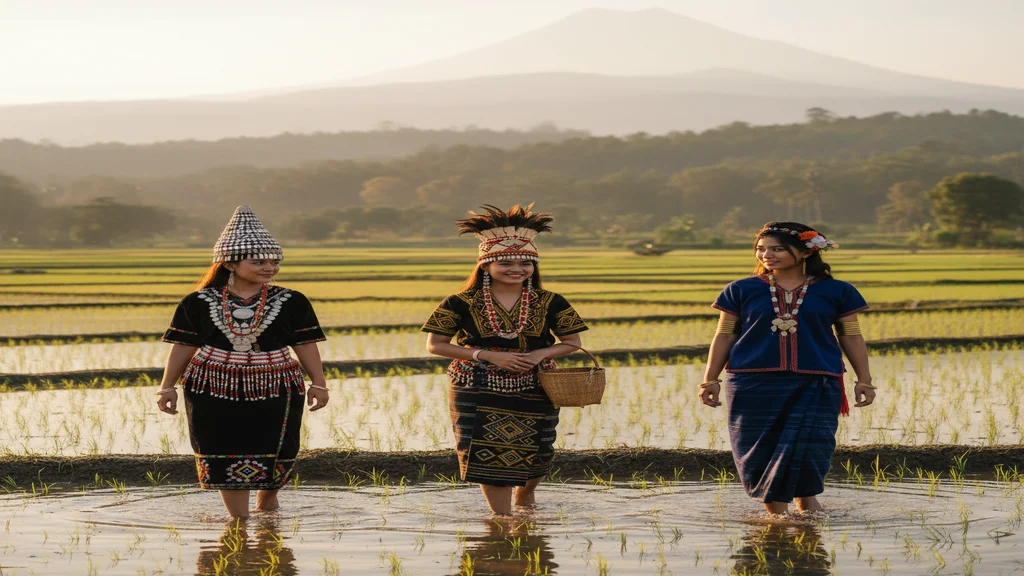
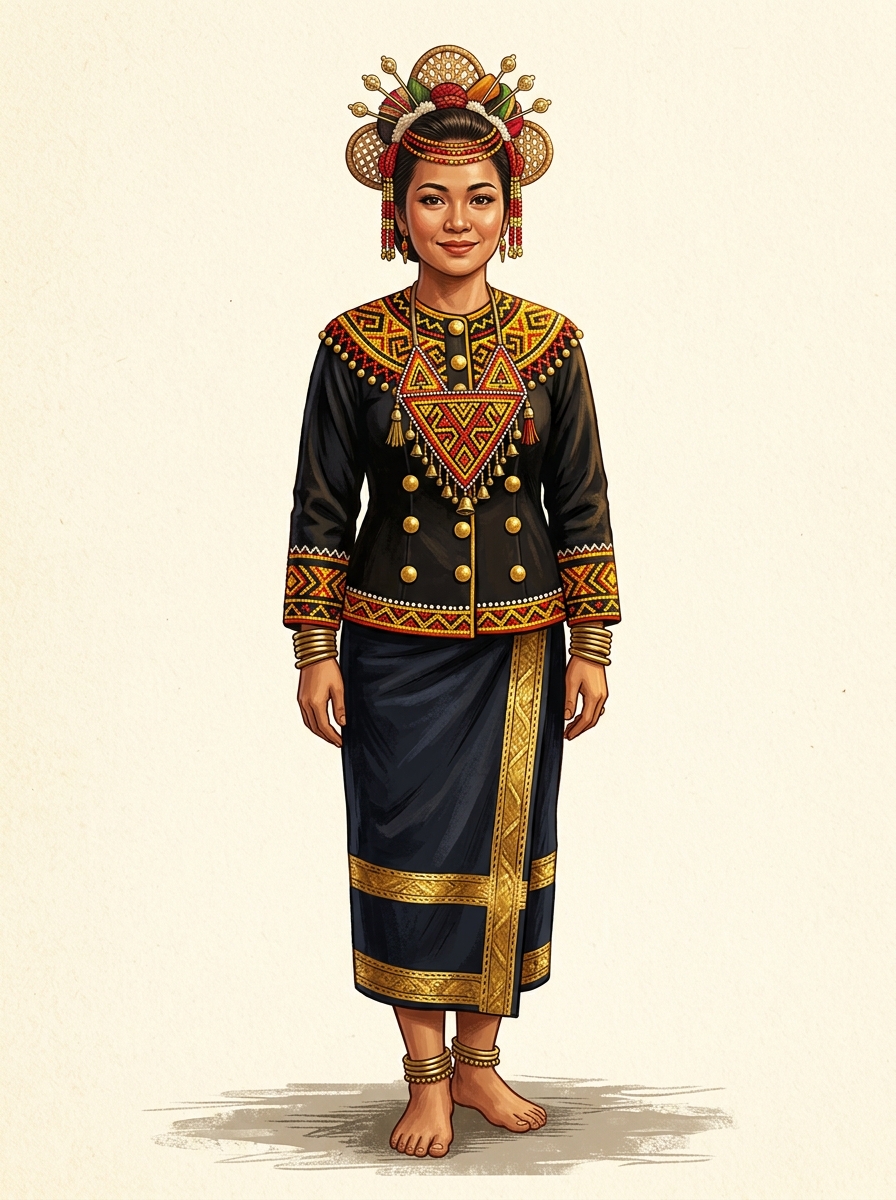
The traditional Kadazan Dusun costume, most famously the Sinuangga, is a black velvet sleeveless blouse with 30+ gold buttons in a double row, paired with a cylindrical wrap-skirt (tapi) with gold siring trimming. It's accompanied by intricate silver jewelry, a woven headpiece (singki), and brass coil rings. Every element carries cultural meaning: the buttons represent prestige and ancestral wealth; the black cloth signals respect and formality; the metal work shows craft mastery spanning generations. At Kaamatan, especially at Unduk Ngadau (the cultural pageant), the Sinuangga is more than fashion—it's a living connection to the Huminodun legend and Kadazan Dusun identity.
What is the traditional Kadazan Dusun costume?
The traditional Kadazan Dusun costume is one of Southeast Asia's most distinctive indigenous dress forms. The most iconic version is the Sinuangga, which dominates the Penampang district (the largest Kadazan population in Sabah). However, the term "traditional Kadazan Dusun costume" actually encompasses several district-specific variations—each with its own pattern, materials, and cultural significance. What unites them all is the use of black cloth (traditionally handwoven cotton or linen, now often velvet), elaborate metal work (brass, silver, gold buttons), and intricate beadwork or woven elements.
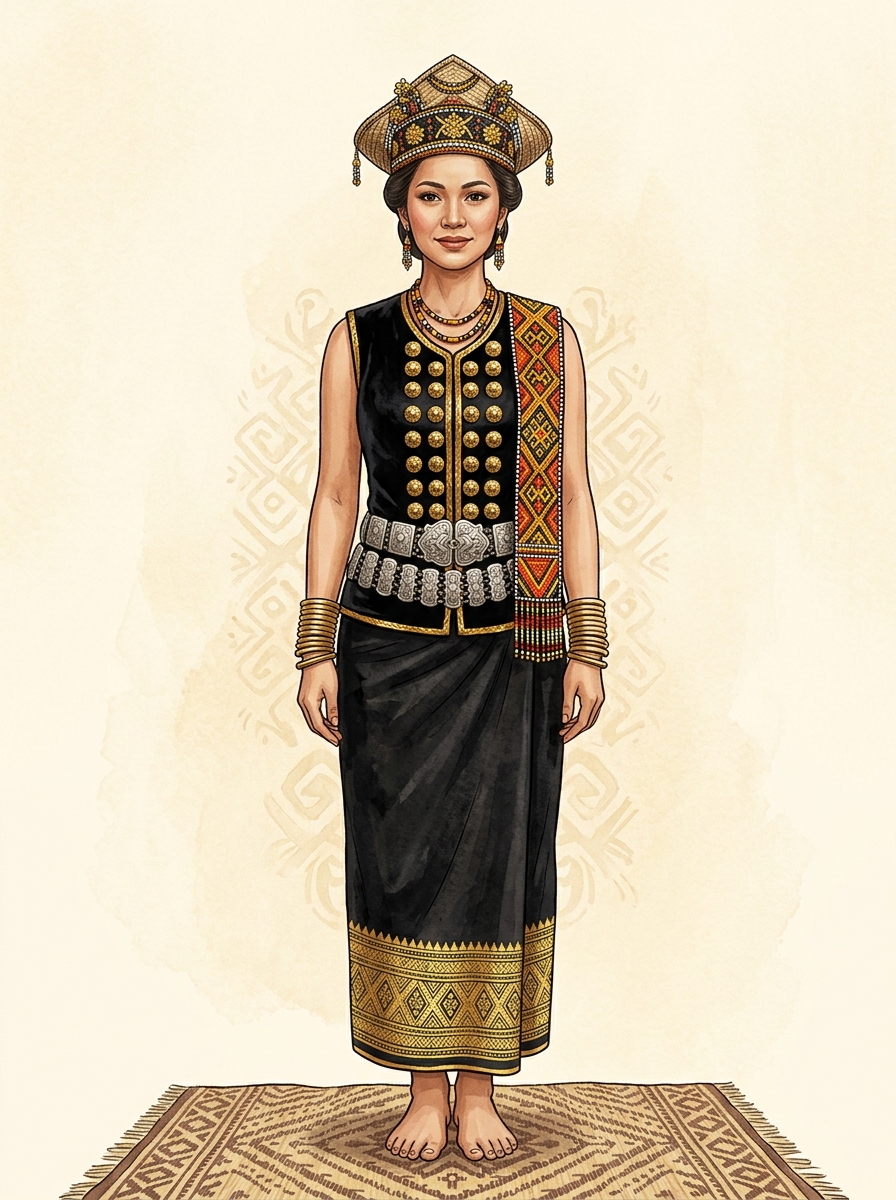
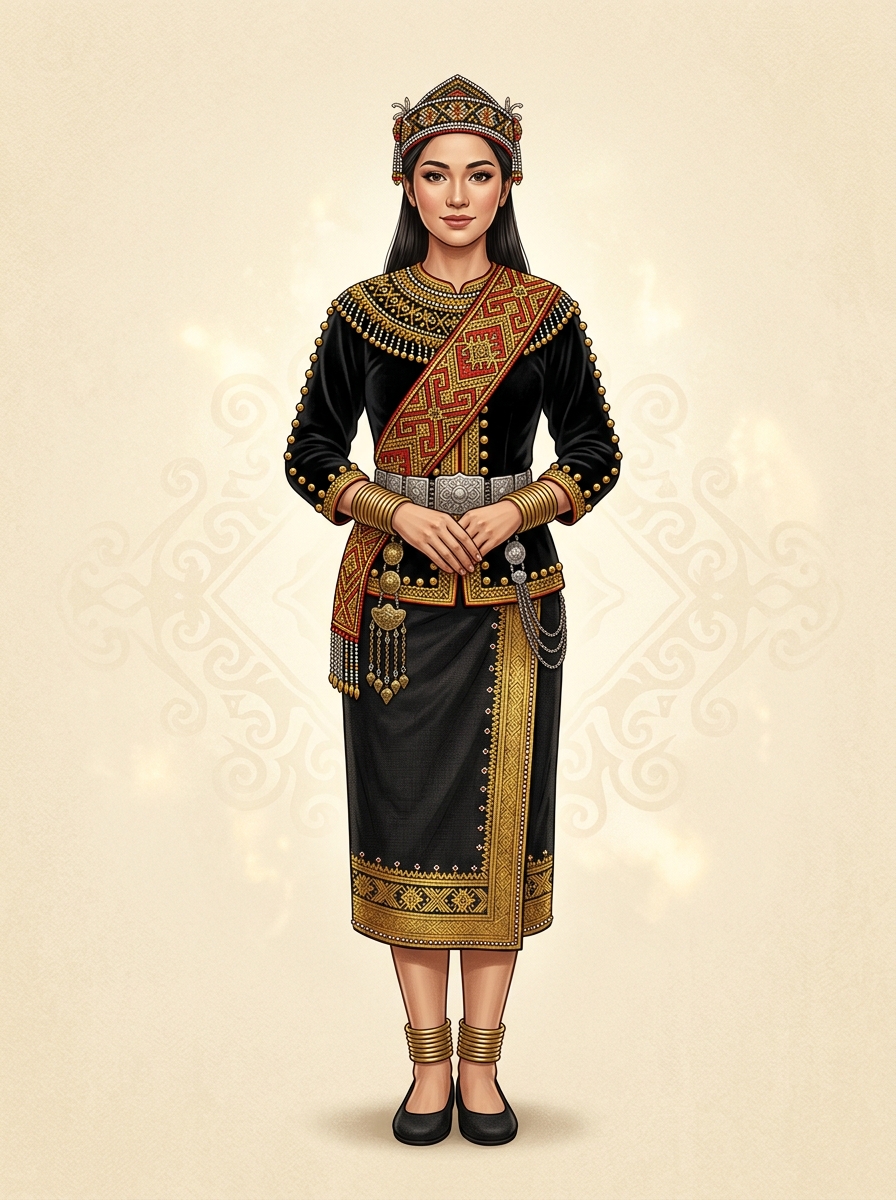
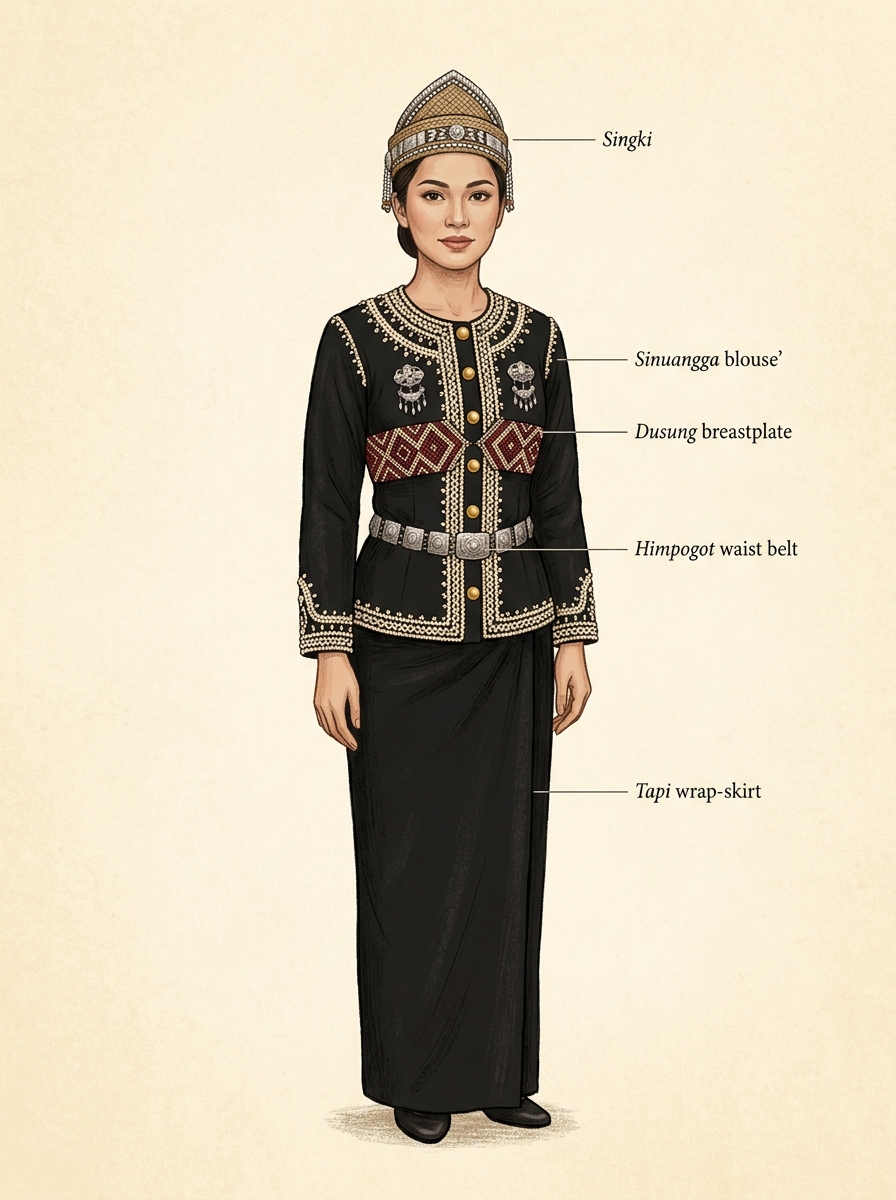
The iconic Sinuangga from Penampang is black velvet (or traditionally black cotton) with a dramatic front panel of 30+ gold buttons arranged in two parallel rows. The buttons are the costume's signature: they historically signified wealth and family status—the more buttons, the higher the rank. Below the buttons sits the Tapi (wrap-skirt), a cylindrical tube of black cloth with a border of gold siring (woven gold trim) and sometimes beadwork. The full costume includes silver jewelry, brass coils around the wrists and ankles, a woven headdress (singki), and often a beaded breastplate called the dusung.
Regional variations exist: Papar and Ranau have their own bead patterns and materials; Kudat's Rungus people are famous for intricate brass coil work and distinctive bead necklaces; Tambunan features slightly different button arrangements and bead colors. Each district's costume tells the story of its people—patterns, materials, and construction methods reflect local geography, trade relationships, and artistic traditions.
Why it matters today: The costume is central to Unduk Ngadau (the annual cultural pageant on May 31), where contestants wear the Sinuangga during the main pageant rounds. Understanding and wearing it correctly is a mark of cultural respect and knowledge. For visitors, seeing the costume at Kaamatan or wearing it for photos is often the most memorable connection to Kadazan Dusun culture—it's visual heritage you can actually observe and, with permission, participate in.
What is Sinuangga?
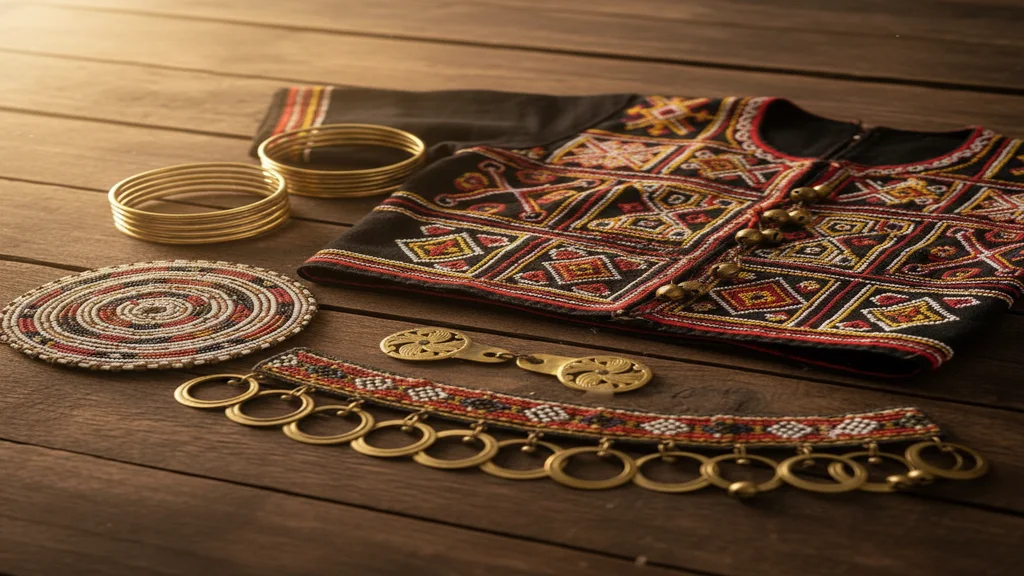
Sinuangga is the word for the complete traditional costume of the Penampang Kadazan people (and the dominant style across Sabah). It's pronounced "sin-WAH-ng-gah" and the word itself means "to put on" or "to dress" in Kadazan Dusun. The Sinuangga consists of several components, each with specific purposes and cultural weight:
1. The Blouse (Main Piece)
- Material: Traditionally handwoven black cotton or linen; modern versions use black velvet for durability and sheen. The black color traditionally symbolized respect, formality, and connection to ancestral traditions.
- Construction: Sleeveless (armholes only), fitted at the shoulders, loose at the waist. The front panel is completely covered with 30+ gold buttons (historically brass; modern versions are gold-plated or solid gold for pageants).
- Gold Buttons: Arranged in two perfectly parallel vertical rows, they cover the entire front of the blouse. Each button is 1-2 cm in diameter. The buttons are not merely decorative—historically, a family's wealth was displayed through the number and quality of buttons. Some heirloom Sinuanggah pieces have 50+ buttons, indicating ancestors of high status.
- Why so many buttons?: In pre-colonial times, metal was rare and precious in Sabah. Having a blouse covered with 30+ gold buttons meant your family controlled significant wealth. Even today, the button density is a mark of prestige and authenticity.
2. The Tapi (Wrap-Skirt)
- What it is: A cylindrical wrap-skirt worn from the waist down, typically knee-length or calf-length. It's constructed as a tube of black cloth (matching the blouse) with a decorative bottom border.
- Border (Siring): The bottom 5-10 cm of the Tapi features "siring"—traditionally a woven gold trim or metallic braid. Modern versions add beadwork or embroidered patterns.
- How it's worn: The Tapi is wrapped and tucked or pinned at the waist, creating a tight cylinder that emphasizes the wearer's posture and movement. It's not loose or flowing—it requires good posture to wear correctly.
- Material: Same as the blouse (traditionally cotton, now often velvet or quality cotton/polyester blends).
3. Accessories (Critical to Authenticity)
- Singki (Headpiece): A woven headdress, often cylindrical or cone-shaped, made from rattan or woven fabric. It sits on top of the head and is often decorated with gold threads or beads.
- Dusung (Breastplate): A decorative beaded or embroidered panel worn on the chest, often featuring geometric patterns in bright colors (red, gold, blue). It hangs from the shoulders and covers the center of the blouse.
- Himpogot (Money Belt): A wide silver or brass belt worn at the waist, originally a practical means of carrying coins and valuables. Modern versions are decorative but historically functional.
- Brass/Silver Coils: Worn around the wrists and ankles, sometimes the neck. These are symbols of wealth and status, and they make a distinctive metallic sound when the wearer moves—an intentional part of the costume's presence.
- Silver Jewelry: Ornate brooches, bracelets, and rings, often featuring intricate filigree or granulation work unique to Sabah metalwork traditions.
How it all comes together: When worn as a complete set, the Sinuangga is a striking, cohesive visual statement. The black creates a bold base, the gold buttons draw the eye to the front (center) of the body, the Tapi creates a strong silhouette, and the brass/silver work adds texture and sound. The wearer typically moves slowly and deliberately (fast movement would be disrespectful of the costume's formality), and the jingling of brass coils announces her presence.
Inside knowledge: Women who wear the Sinuangga regularly (like Unduk Ngadau contestants) train for proper posture and movement. Standing in the costume requires core strength and balance—you can't slouch or move casually. This is intentional: the costume's demands reinforce the cultural message that Kadazan Dusun women are dignified, strong, and intentional in their presence.
What are the traditional accessories?
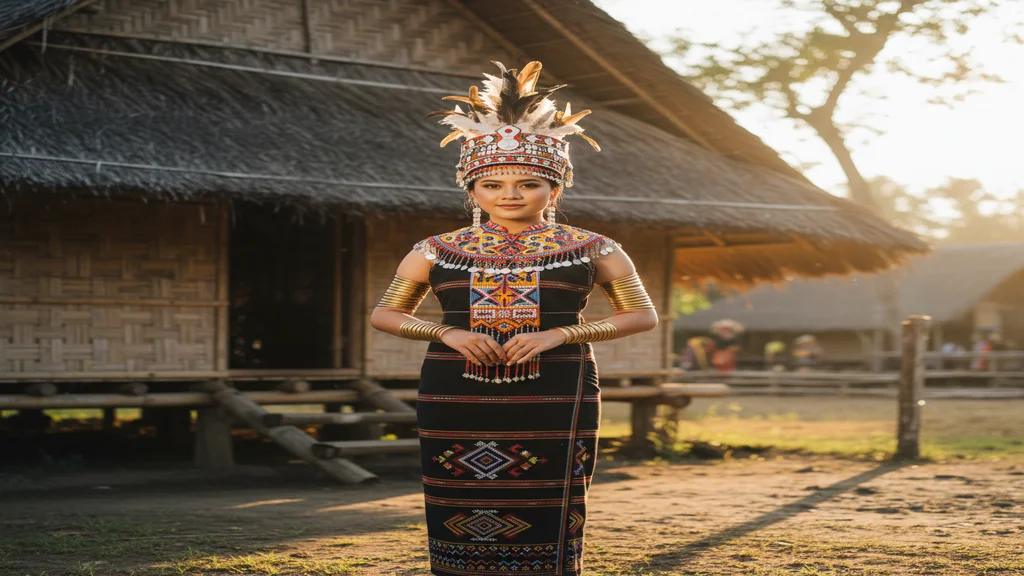
The Sinuangga's accessories are not afterthoughts—each piece carries cultural meaning and is integral to the costume's authenticity. Here's a detailed breakdown:
| Accessory | Local Name | Description & Material | Significance |
|---|---|---|---|
| Money Belt | Himpogot | Wide ornamental belt (3-4 inches) of silver or brass, worn at the waist. Often features embossed patterns or geometric designs. Weighs 0.5-1.5 kg depending on materials. | Originally a practical way to carry coins and valuables. Today it's purely decorative, but it symbolizes the wearer's (or her family's) prosperity and access to precious metals. Also provides visual weight and balance to the costume. |
| Wrist & Ankle Coils | Tangkong | Stacked brass rings worn tight around the wrists and ankles, sometimes the neck. Can range from 5-20 coils per limb. They make a distinctive metallic jingling sound when the wearer moves. | Among Sabah's indigenous groups, brass coils historically indicated wealth and status—each coil represented accumulated prosperity. The jingling sound announces the wearer's presence and movement. It's both auditory and visual wealth display. |
| Gold Lace Adornment | Gaung | A decorative piece of gold lace or beaded trim, typically worn across the shoulders or chest as a cross-body sash. Features gold threads, embroidery, or attached beads in geometric patterns. | Gaung is particularly important for its beauty and craftsmanship. It shows mastery of gold work and beading. It also draws attention upward to the face and posture—reinforcing dignity and presence. |
| Headgear | Singki (or Dastar) | A woven cylindrical or cone-shaped headdress made from rattan strips, woven fabric, or bamboo. Often finished with gold threads, beads, or silk wrapping. Height ranges from 15-30 cm. | The Singki frames the face and adds vertical visual weight to the costume. It's traditionally a practical sun shield and also a marker of marital status (among some variations, the shape indicates if a woman is married or unmarried). It commands respect and focus. |
| Breastplate | Dusung | A beaded or embroidered panel, often rectangular or triangular, featuring bright geometric patterns in red, gold, blue, and white. Made by hand-stitching beads onto fabric backing. | The Dusung is among the most visually striking elements. Each pattern tells a story or represents family lineage. The bright beads contrast dramatically with the black costume, drawing the eye to the heart and center of the body. It's a statement of artistic heritage and family pride. |
| Silver Jewelry | Siga (or various names depending on piece) | Ornate brooches, rings, and bracelets featuring intricate filigree, granulation, or casting work. Often handmade by local silversmiths. Highly detailed and often featuring traditional geometric or nature-inspired motifs. | Silver work is a marker of craftsmanship and artistic heritage. Wearing silver jewelry (especially heirloom pieces) demonstrates connection to ancestral skills and family history. Each piece is often unique and passed down through generations. |
Putting it all together: A complete Sinuangga costume for an Unduk Ngadau contestant includes all of these elements, and they're all worn simultaneously. The visual weight and complexity are intentional—the costume is meant to be impressive, dignified, and commanding. A woman in full Sinuangga is unmistakably dressed for a significant cultural moment.
Modern vs. Traditional: Contemporary contestants sometimes use higher-quality machine-made versions of these accessories (faster to produce, more affordable than handmade), but authentic and premium versions are still handmade by master craftspeople. At Kaamatan craft markets, you can buy individual pieces (a Himpogot alone costs RM150-400 depending on silver content).
How do costumes vary by district?
Sabah has roughly 27 districts, and while the Sinuangga from Penampang is the most iconic and widely recognized, nearly every district has its own traditional costume variation. These differences reflect local history, trade patterns, available materials, and artistic traditions. Here's an overview of the main variations:
| District | Costume Name & Style | Key Distinguishing Features | Materials & Colors |
|---|---|---|---|
| Penampang | Sinuangga (the gold-button version) | 30-50 large gold buttons in double rows, black velvet or cotton, prominent Tapi wrap-skirt with gold siring. Most formal and widely recognized. | Black velvet or cotton, brass/gold buttons, silver accessories, woven headpiece. Dusung often features geometric beadwork in red and gold. |
| Papar | Sinuangga (Papar variation) | Smaller gold buttons (more numerous but less prominent), focus on beadwork around the shoulders and chest. Often features more elaborate Dusung. | Black cloth, gold buttons, extensive red and gold beadwork on chest and shoulders. Decorative patterns often asymmetrical. |
| Ranau | Sinuangga (Ranau style) | Medium-sized buttons, features distinctive white or cream-colored beadwork as part of the design. Ranau is known for fine beading work. | Black cloth with white/cream and red beadwork. Often incorporates more embroidery than button work. Silver accessories prominent. |
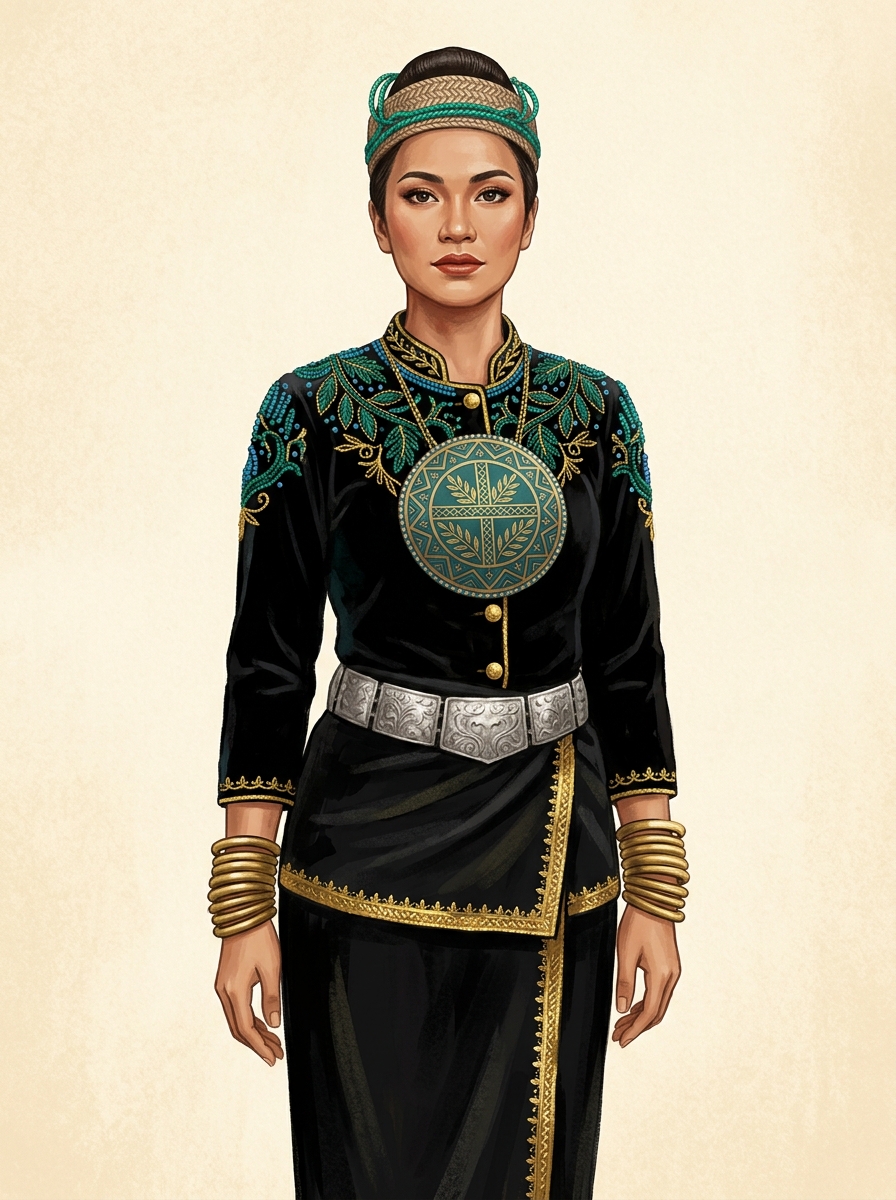
| Tambunan | Sinuangga (Tambunan style) | Features distinctive green or deep blue colored beadwork accents. Button arrangement often slightly different from Penampang. More focus on shoulder decoration. | Black with blue/green and gold accents. Beadwork often features nature-inspired patterns (leaves, flowers). |
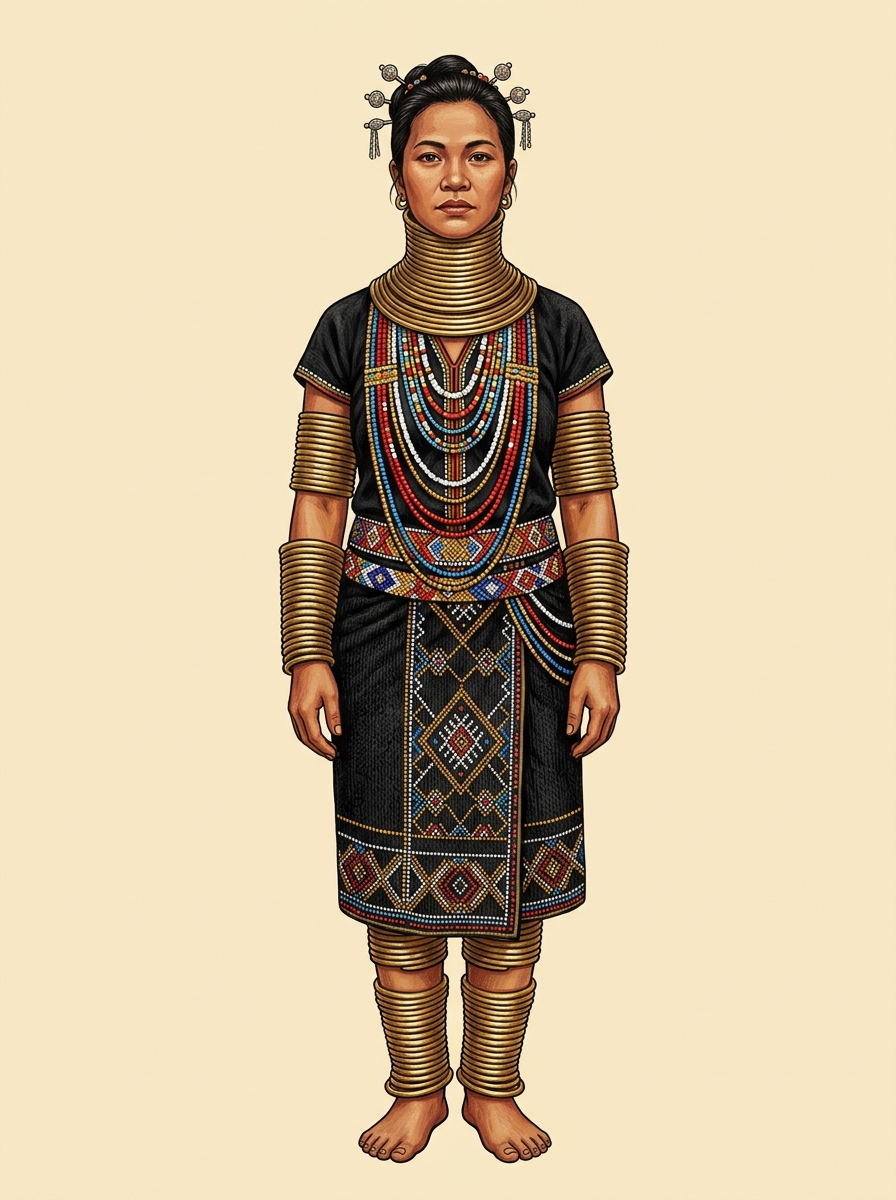
| Kudat / Rungus Areas | Rungus Costume (distinct from Sinuangga) | Fewer or no buttons; instead features extensive brass coil work (neck, arms, ankles). Emphasis on long brass necklaces and coils. Different silhouette altogether. | Black cloth, extensive brass coil work, distinctive multi-strand bead necklaces. Often features intricate brass jewelry with geometric patterns. |
| Tenom, Beaufort, Sipitang | Murut-influenced variations | Blend of Kadazan and Murut styles; often features beadwork more prominently than buttons. Smaller, more densely packed beads in patterns. | Black with multi-colored beadwork (red, blue, gold, white). Less gold button emphasis, more focus on geometric bead patterns. |
| Kundasang, Kinabalu | Highland Kadazan style | Simpler design reflecting practical mountain living; fewer buttons, simpler accessories. Focus on woven elements over metal work. Some Highland versions feature indigo or deep blue cloth. | Black or deep blue cloth, moderate button count, woven shoulder pieces, simpler metal work. Often features handwoven geometric patterns. |
Why the variations exist: Historically, before centralized transportation, each district developed its costume based on available materials and local aesthetic preferences. Penampang's gold-button emphasis may reflect access to metalwork trade; Kudat's brass coil focus reflects that area's metalworking tradition and proximity to Brunei trade routes; Highland areas often feature simpler designs reflecting practical mountain life and agricultural work.
Modern reality: At Unduk Ngadau, all contestants wear the Penampang-style Sinuangga (the standardized official costume) during the main pageant rounds, regardless of which district they represent. However, some contestants incorporate small district-specific elements (a particular bead color, a family heirloom accessory) as subtle nods to their heritage. District-specific costumes are more commonly seen at cultural exhibitions, heritage demonstrations, and Rungus Cultural Village.
Traditional Costumes by District
Each district's costume reflects its unique history, materials, and artistic tradition. Here's how they look side by side:
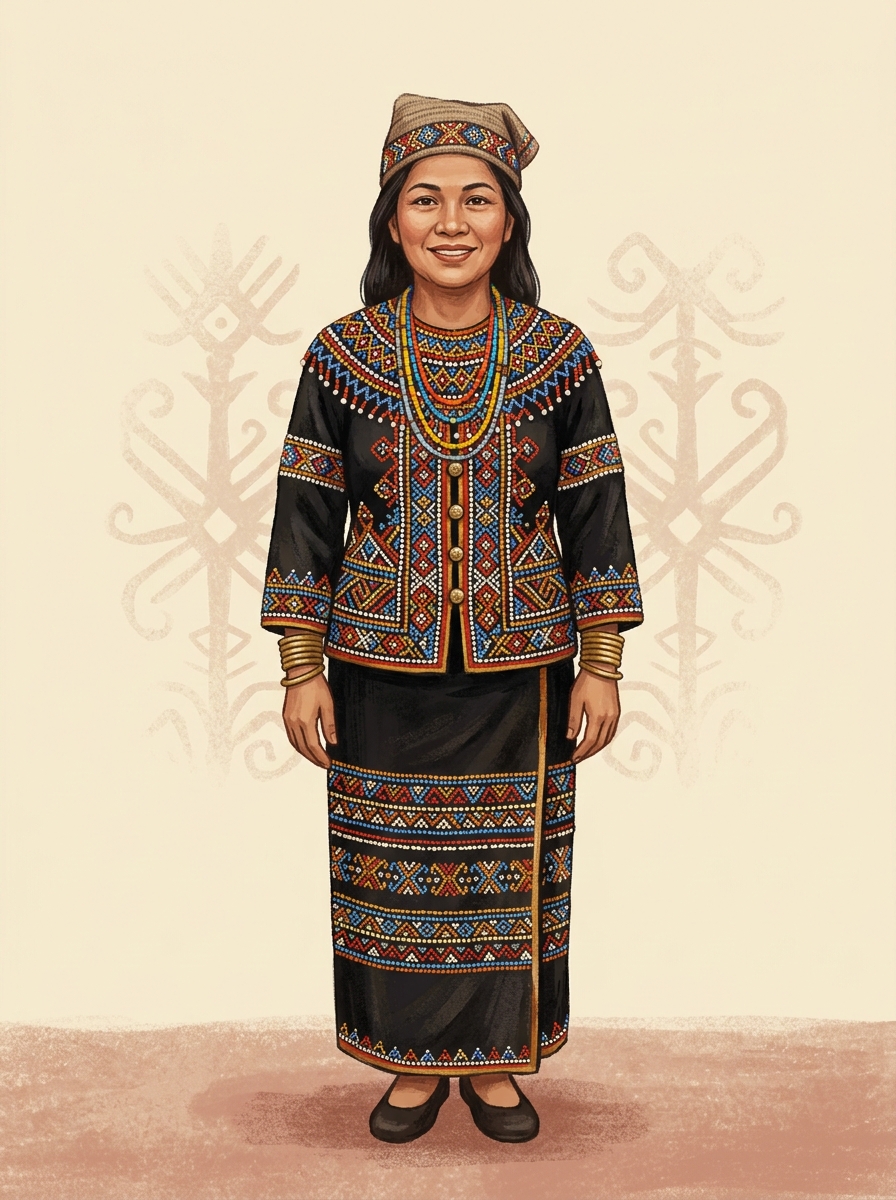
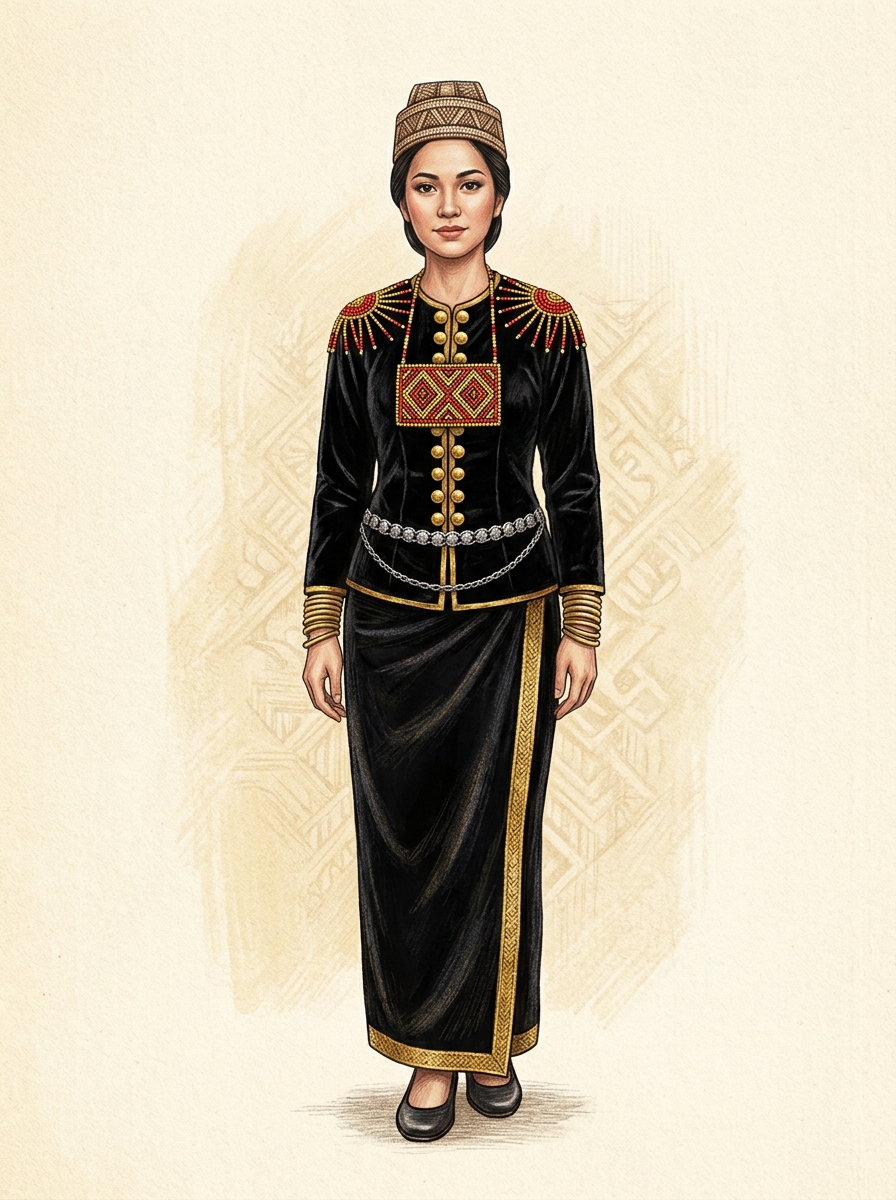
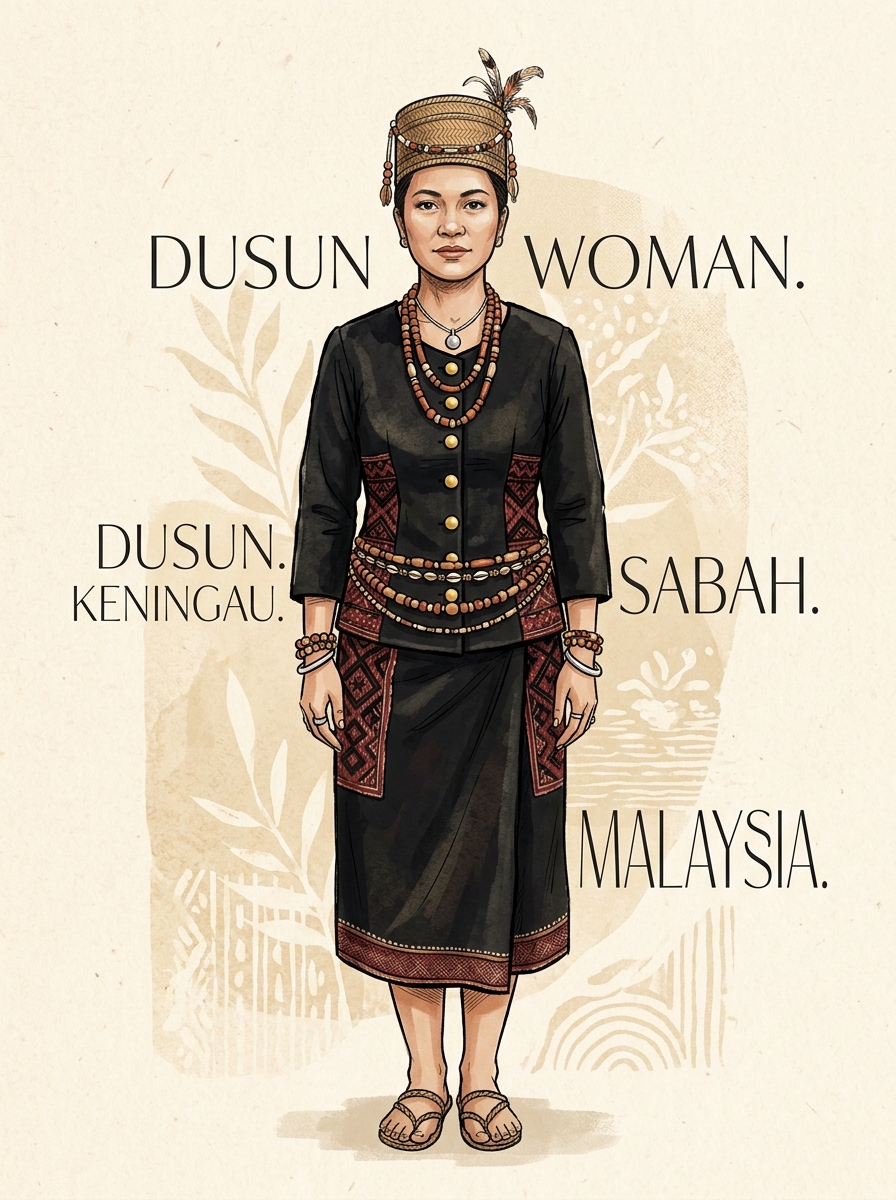
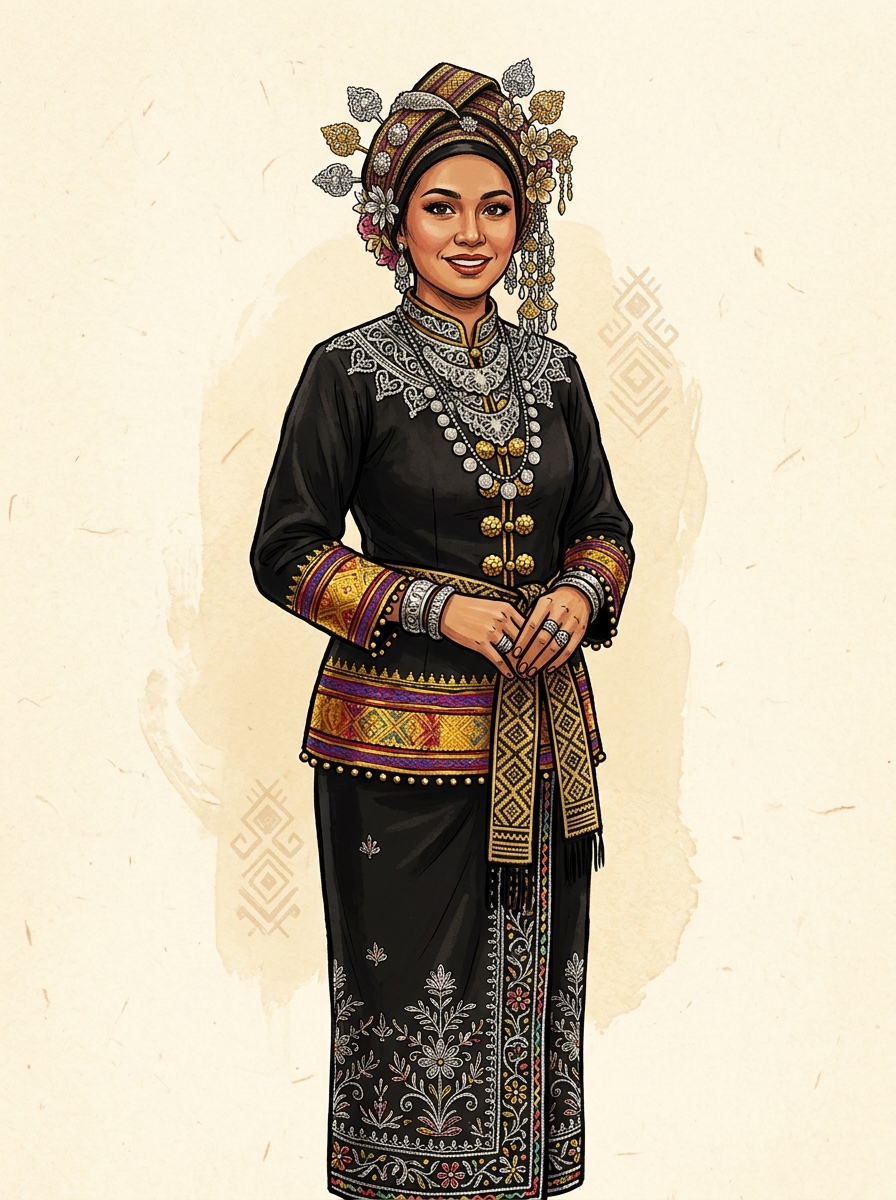
What do men wear?
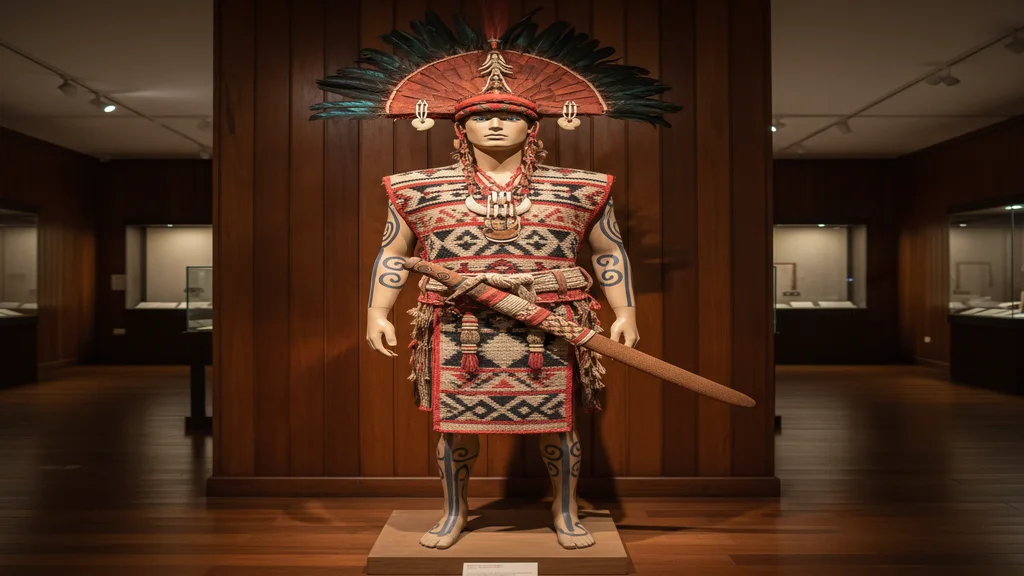
While the Sinuangga dominates discussions of Kadazan Dusun costume (especially at Unduk Ngadau pageant), men have their own equally important traditional costume: the Gaung (sometimes written as Gaong or Gaung).
The Gaung Costume
- Main Piece: A beaded or embroidered vest worn over the torso, similar in style to a sleeveless waistcoat. Made from black cloth with extensive beadwork or embroidery covering the front and sides.
- Beadwork: The Gaung features intricate geometric patterns in bright beads (red, gold, blue, white), often mirroring design elements found on the female Dusung (breastplate). Each bead is individually stitched on, making a quality Gaung extremely labor-intensive to create.
- Pants: Traditionally worn with black or dark-colored pants (historically cotton; modern versions often polyester or cotton blends). The pants are simple and undecorated, allowing the Gaung vest to be the focal point.
- Headgear: Men wear a woven headdress similar to the female Singki, or sometimes a cloth turban-style wrap. The style varies by district; some areas prefer a simple rattan or woven hat, others a more elaborate wrapped headpiece.
- Accessories: Men also wear brass/silver coil work on wrists and ankles (Tangkong), similar to women's costume. Some regions feature a decorative belt (similar to the Himpogot, or a simpler version called a Gasung). Silver brooches or ornamental pins may be worn on the Gaung vest itself.
Visual Impact: The Gaung is designed to balance and complement the female Sinuangga. While the female costume emphasizes vertical lines (buttons down the chest) and a defined silhouette, the male Gaung spreads beadwork across the entire front of the vest, creating a broader visual presence. When a couple (or pageant partners) appears together in their respective costumes, the visual complementarity is striking.
Where you see it: At Unduk Ngadau State Finals, the male pageant (Buvazoi Tavantang, or Mr Kaamatan) showcases the Gaung during the traditional costume presentation rounds. You can also see men's Gaung at Rungus Cultural Village, at cultural exhibitions, and at wedding ceremonies within Kadazan Dusun communities.
Less mainstream, equally important: The Gaung doesn't get as much tourist attention as the female Sinuangga, partly because Unduk Ngadau (the female pageant) is more internationally famous than Buvazoi Tavantang (the male pageant). However, the Gaung requires equal skill to produce and carries equal cultural significance. Wearing a Gaung is as much an honor as wearing a Sinuangga.
What is the Sodop Unduk Ngadau fashion show?
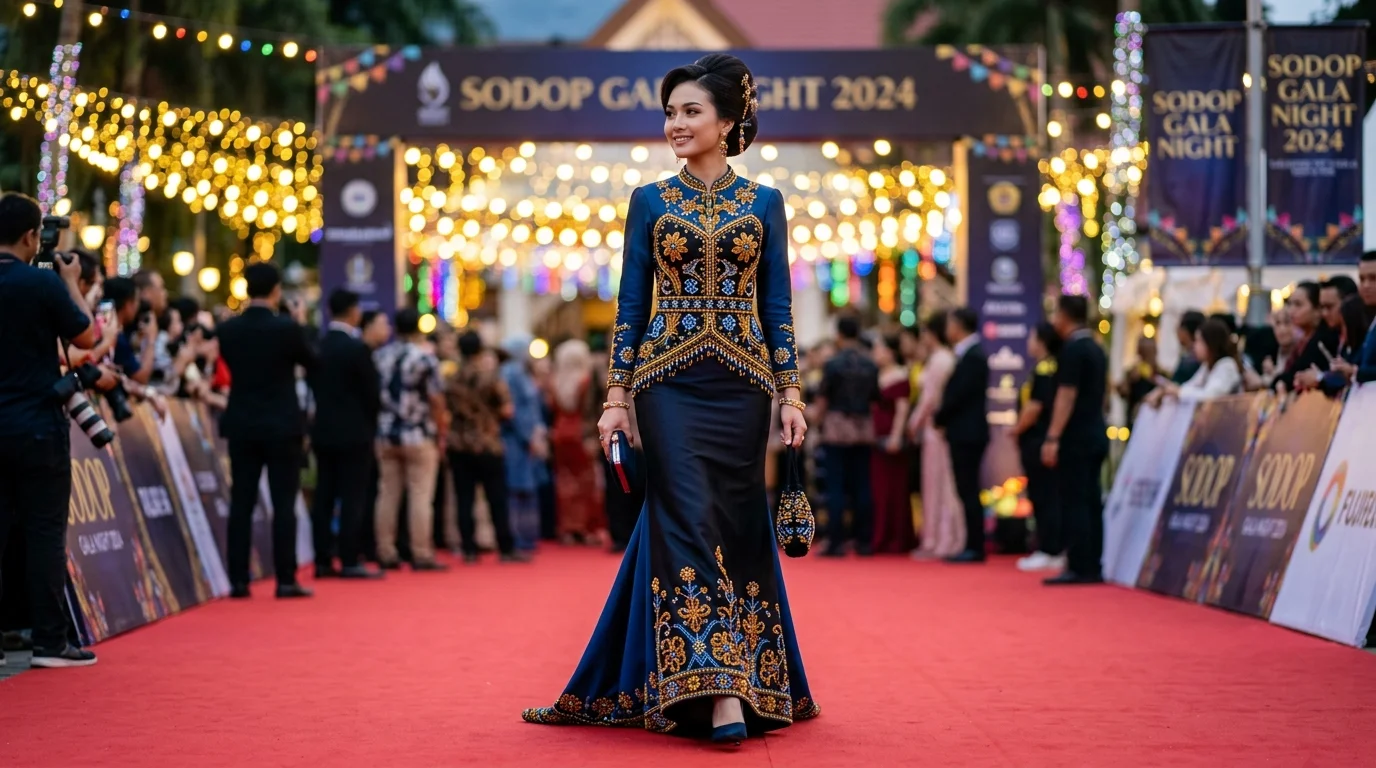
Sodop (meaning "evening" in Kadazan Dusun) Unduk Ngadau is a fashion gala night held in the days before the State Finals pageant on May 31 (2026 dates pending KDCA confirmation — historically May 28–29, but the new May 30 pre-judging round may shift the 2026 schedule). It's the moment when contemporary fashion designers take the traditional Sinuangga and reimagine it for the modern world—and it's become one of the most visually exciting events at Kaamatan.
What happens: Contestants (the same women competing in the May 31 pageant) walk a runway wearing couture evening wear designed by local Kadazan Dusun fashion designers. Unlike the traditional Sinuangga worn at the main pageant, Sodop gowns are contemporary in silhouette, fabric, and tailoring—but they incorporate traditional cultural elements: beadwork motifs from the Sinuangga, brass coil jewelry, woven fabric accents, or gold button details reinterpreted into a modern aesthetic.
Example designs:
- A sleek, floor-length evening gown with a modern draped bodice, paired with a beaded shoulder piece that echoes the Dusung (traditional breastplate) design
- A structured, high-waisted gown featuring traditional geometric bead patterns embroidered across the chest and sides
- A contemporary A-line dress with a dramatic train, accessorized with brass coil jewelry and a reinterpreted Singki (woven headpiece) as a statement hair accessory
- A fusion piece: a fitted modern gown with a traditional woven fabric panel, or a sleek suit jacket featuring hand-stitched beadwork in traditional patterns
The designers: Sodop is essentially a showcase for Kadazan Dusun fashion designers—a group of talented artists pushing the boundaries of what traditional dress can be in contemporary contexts. Some notable designers include Garung Olumis and other emerging Sabah-based creators who are gaining recognition nationally and internationally for their blend of heritage and innovation. Many are young women reclaiming their cultural identity through fashion and contemporary art.
Why it matters: Sodop bridges the gap between cultural preservation and modern expression. It shows that Kadazan Dusun heritage isn't frozen in the past—it's alive, evolving, and capable of speaking to contemporary aesthetics. For young Kadazan Dusun people, seeing their culture reimagined in fashion can be deeply affirming. For tourists, it's a window into how indigenous cultures are actively being reinterpreted by the next generation.
How to attend: Sodop takes place at KDCA (2026 dates pending KDCA confirmation; historically May 28–29). Tickets range from RM30-100 depending on seating level (ground floor, mid-tier, VIP). It's become increasingly popular with both locals and tourists; arrive early or book in advance. The event usually starts in the evening (7-9 PM) and runs 2-3 hours. It's visually spectacular, Instagram-friendly, and genuinely inspiring.
Key difference from main pageant: During the main Unduk Ngadau pageant (May 31), contestants wear the standardized, traditional Sinuangga. At Sodop, they wear contemporary gowns. This contrast—traditional in the pageant, modern at Sodop—is intentional and meaningful. It shows that a woman can be a keeper of heritage AND a modern individual; the costume changes, but the cultural respect remains.
Can visitors wear or buy traditional costume?
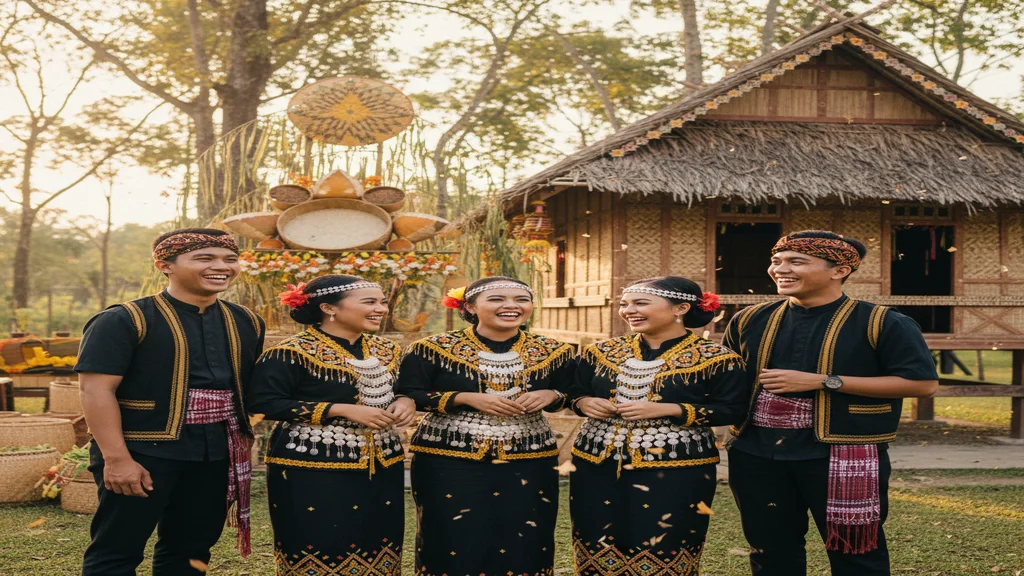
Short answer: Yes, visitors can and should experience wearing traditional costume at Kaamatan—with respect and awareness. Here's how:
Renting for Photos
This is the most accessible option. Many tourism operators in Kota Kinabalu and at Rungus Cultural Village offer costume rental packages:
- Price: RM50-200 depending on completeness. Basic outfit (sarong + headpiece) = RM50-80. Full Sinuangga set (blouse, skirt, all accessories) = RM120-200.
- What's included: Usually the costume rental, styling assistance, and sometimes a photo session with a cultural backdrop or cultural village setting.
- Where: Check with hotels in Kota Kinabalu, ask at KDCA during Kaamatan, or visit Rungus Cultural Village near Kudat (about 2 hours from KK). Some tourism agencies in downtown KK offer package deals.
- Duration: Typically 30 minutes to 2 hours. Plan ahead; popular vendors may have waiting lists during Kaamatan week (May 28-31).
- Care & damages: Ask about cleaning fees before renting. Most rental costumes are well-maintained, but accidents happen—clarify liability upfront.
Important respect guidelines when wearing:
- Understand what you're wearing: Learn at least the basic components (Sinuangga = blouse, Tapi = skirt, Dusung = breastplate) and ask the rental operator to explain the cultural meaning. Wearing it with awareness is part of the respect.
- Don't wear it casually: A traditional costume is for cultural occasions or respectful photo sessions, not for barhopping or casual sightseeing. Treat it as sacred, because it is to the culture.
- Don't mock or trivialize it: Avoid humorous or disrespectful photos (funny poses, mixing costume with unrelated props, turning it into a joke). These make it to social media and can be deeply hurtful to the culture.
- Ask permission before photographing others in costume: If you see locals or other visitors in traditional dress, ask before taking photos. It's basic respect.
- Avoid wearing it outside Sabah: A traditional costume is not international fashion. Wearing it at a party outside Sabah, or significantly altering it, dilutes its cultural meaning and can feel disrespectful to the community.
Buying an Authentic Costume
If you want to own a traditional costume, you have options:
- Handwoven sarong: RM300-800 depending on the weaver and design complexity. Commission through KDCA-affiliated weavers or at Rungus Cultural Village. Handwoven takes 2-8 weeks to produce.
- Machine-made costume set: RM300-600 for a complete outfit (blouse, skirt, some accessories). Available at craft markets during Kaamatan or through specialty sellers in KK.
- Individual pieces: Buy a Himpogot (money belt) for RM150-400, a Dusung (beaded breastplate) for RM100-300, or individual accessories. Many craft vendors sell these at KDCA during the festival.
- Where to buy: KDCA craft markets (May 30-31), Rungus Cultural Village shop, specialty shops in downtown Kota Kinabalu, or through KDCA directly.
Quality matters: A cheap machine-made costume (RM150-250) will look obvious and feel flimsy. If buying to own, invest in a mid-range option (RM300-500) for decent materials and construction. Handmade is most authentic but also most expensive and time-consuming to obtain.
Price transparency: Expect to pay more during Kaamatan week (May 28-31) due to demand. Prices are typically lower if you buy outside the festival season, or if you commission directly from weavers/makers (takes longer but often better value).
Travel considerations: A full traditional costume set is bulky. Plan luggage space or consider shipping it home separately if buying in Sabah. Some pieces (brass coils, metal accessories) are heavier than expected.
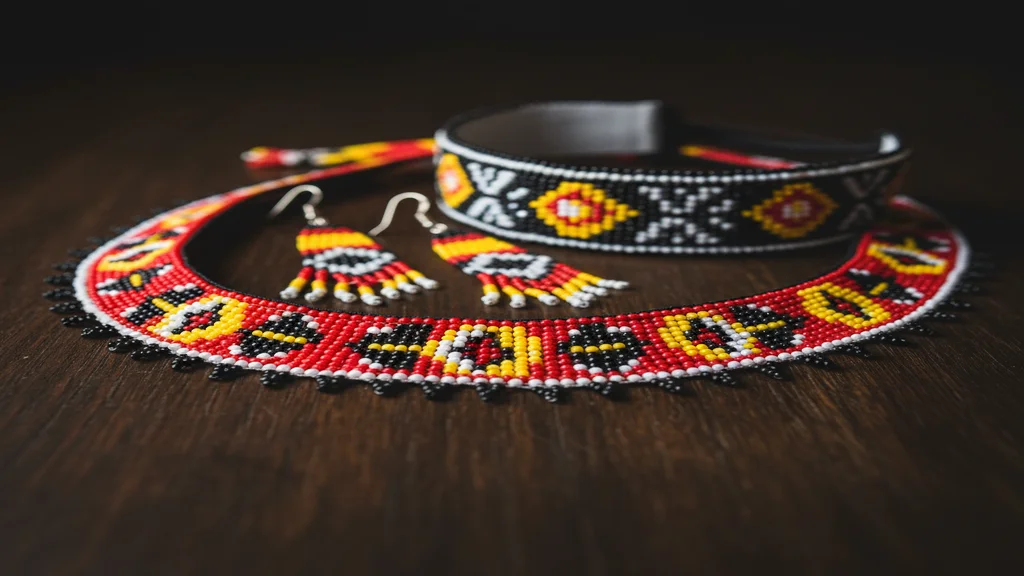
What is Rungus beadwork?
The Rungus people live primarily in the Kudat district in northern Sabah, and they're renowned throughout Southeast Asia for their distinctive bead jewelry and craft work. While Rungus people share Kadazan Dusun heritage, their beadwork style is distinctive enough to be recognized as its own art form.
What makes Rungus beadwork unique
- Multi-strand necklaces: Rungus women create intricate necklaces with 5-20+ individual beaded strands, each string featuring a specific pattern. The strands are worn together as a layered statement piece, creating a striking visual effect that covers much of the chest and shoulders.
- Bead patterns: Each strand features tiny glass beads (1-3mm) arranged in geometric or abstract patterns. Common motifs include diamonds, zigzags, chevrons, and nature-inspired designs (leaves, flowers). The patterns are memorized and passed down through families, so many patterns have generational or family significance.
- Materials: Traditionally glass beads (historically imported); modern versions use Czech glass, Japanese beads, or colored plastic beads. The strands are hand-stitched onto cloth or woven backing, often using a looped thread technique that creates a 3D, textured effect.
- Colors: Rungus beadwork is famous for bold color combinations: red and gold, blue and white, multicolor mixes. The colors are intentionally bright and saturated—Rungus beadwork is meant to stand out.
- Brass coil work: In addition to beaded necklaces, Rungus women are famous for brass coil jewelry (stacked brass rings worn around neck, wrists, and ankles). Some women wear 15-25 stacked brass coils on each limb, creating visual weight and an auditory presence (they jingle and clink).
Cultural significance
- Status and wealth: Historically, the number of beaded strands and the weight of brass coils indicated a woman's (and her family's) prosperity. A woman wearing a full set of Rungus jewelry was publicly displaying family wealth and access to valuable materials.
- Family identity: Many bead patterns are family-specific. A woman's necklace pattern might indicate which family she comes from, and mothers teach their daughters the family patterns as part of cultural transmission.
- Life stage markers: The style and elaborateness of Rungus jewelry has historically marked different life stages—unmarried women might wear simpler patterns, while married women or mothers wear more elaborate pieces.
Where to see and buy Rungus beadwork
- Rungus Cultural Village: Located near Kudat (2 hours from Kota Kinabalu), this is the primary cultural site for Rungus heritage. You can watch women making beadwork, see traditional longhouses, and buy authentic pieces directly from makers.
- KDCA and Kaamatan markets: Rungus vendors set up craft stalls during Kaamatan (May 30-31). Prices vary by size and intricacy; expect RM80-300 for a single multi-strand necklace.
- Downtown Kota Kinabalu shops: Some craft and souvenir shops carry Rungus beadwork, though prices are often higher than buying directly at Rungus Cultural Village or KDCA markets.
- Online: A few Rungus artisans have started selling through Facebook and Instagram; search "Rungus beadwork" or "Sabah indigenous jewelry." Quality and authenticity vary widely—buy from makers with reviews and community backing.
Quality and authenticity
- Hand-stitched vs. machine-made: Authentic Rungus beadwork is entirely hand-stitched, which takes weeks or months for a single multi-strand necklace. Machine-made imitations (which look similar but have uniform stitching) are faster and cheaper (RM30-60) but lack the artisanal quality. Invest in hand-stitched if you want authentic cultural craft.
- Pricing: A single authentic hand-stitched Rungus necklace costs RM100-300+ depending on size and intricacy. A multi-strand set can cost RM300-800+. If a price seems too low, it's likely not authentic or handmade.
- Buying directly from makers: At Rungus Cultural Village or KDCA markets, you can meet the maker and ask about the pattern's meaning, her family, and the time invested. This adds value and authenticity beyond just the physical object.
As a visitor souvenir: Rungus beadwork is one of the most meaningful souvenirs you can buy from Kaamatan—it's high-quality, carries deep cultural meaning, lasts for decades if cared for, and directly supports Rungus artisans. A single necklace is a beautiful, wearable piece of Sabah culture that tells a story.
Frequently Asked Questions
Q Where can I see the Sinuangga at Kaamatan?
Q What is the difference between Sinuangga and tindal?
Q Is the Sinuangga only worn by women?
Q How much does it cost to rent traditional costume for photos?
Q Can I buy an authentic handwoven Sinuangga sarong?
Q What does the gold button count on the Sinuangga mean?
Related Reading
To understand the deeper cultural and spiritual context behind traditional costume, read the Huminodun legend. For more on where and how to experience the costume at the festival, see the Unduk Ngadau pageant guide and KDCA Kaamatan festival guide.
Sources & References 9 sources
Last verified: 2026-04-27
Official Sources
Cultural References
- MySabah — Sinuangga Traditional Costume Detailed breakdown of Sinuangga elements and their significance
- MySabah — Kadazan Dusun Culture Overview of Kadazan Dusun cultural practices and traditions
- Borneo Cultures — Kadazan Dress Anthropological research on regional costume variations
- Wikipedia — Kadazan Dusun Historical and cultural context of the Kadazan Dusun people