KDCA Kaamatan Guide: Layout, Hours & How to Get There
What is KDCA and why should I visit during Kaamatan?
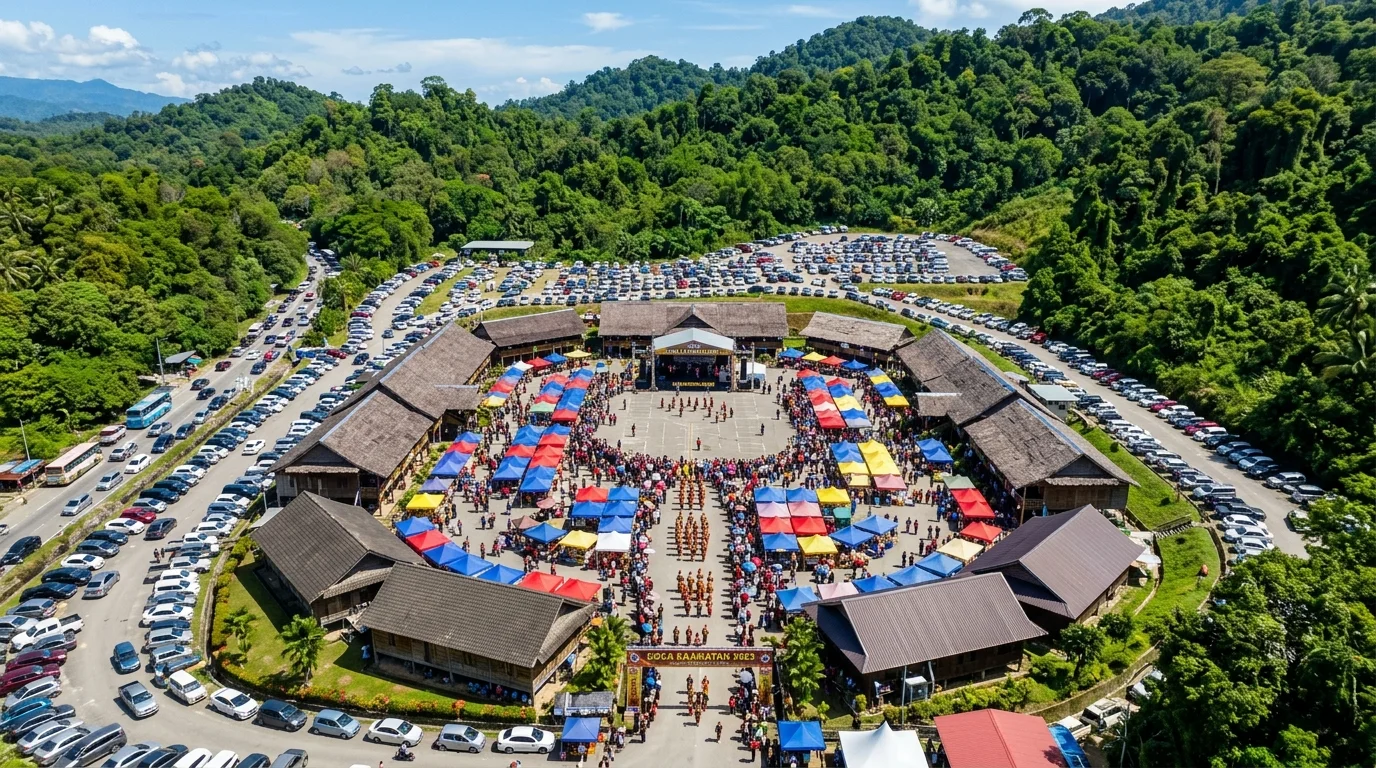
KDCA (Kadazandusun Cultural Association) in Penampang is Sabah's official Kaamatan (harvest festival) venue and home to Koisaan Cultural Village. During Kaamatan (May-June), KDCA transforms into a living celebration of Kadazan Dusun culture with 200+ food stalls, cultural performances (Sumazau, Magunatip dances), the Unduk Ngadau pageant, craft markets, and 11 traditional houses from across Sabah. It's 15-20 minutes from Kota Kinabalu city and costs RM55-65 entry. This is the single most authentic cultural experience in Sabah and the largest Kaamatan celebration.
What is KDCA Penampang?
KDCA stands for Kadazandusun Cultural Association—a non-profit organization dedicated to preserving and celebrating the cultural heritage of Sabah's indigenous Kadazan and Dusun peoples. The association runs Koisaan Cultural Unity Centre (Pusat Budaya Koisaan Bersatu), commonly known as KDCA, located in Penampang, a small town just outside Kota Kinabalu city center.
KDCA operates year-round as a cultural museum and exhibition space, but it becomes the epicenter of Sabah during Kaamatan (May-June), when the Kadazandusun Cultural Association stages the state-level harvest festival celebration. This is not a theme park—it's the genuine, official venue where Sabah's government and Kadazan community celebrate their harvest traditions.
What you'll find at KDCA:
- Koisaan Cultural Village: 11 traditional houses from different districts of Sabah, each representing a unique Kadazan or Dusun ethnic sub-group, with exhibits, demonstrations, and cultural ambassadors
- Festival Pavilions: Main stage (for Unduk Ngadau and major performances), food pavilions (200+ stalls), craft markets, and alcohol/tapai areas
- Cultural Performances: Daily Sumazau (traditional dance), Magunatip (bamboo dance), fire-making demonstrations, butod (rice cake) preparation, and slingshot competitions
- Unduk Ngadau: The annual cultural pageant celebrating the Huminodun legend (held May 31)
- Events: Gong competitions, traditional music performances (Sugandoi), craft workshops, and community celebrations
Why it matters to Sabahans: Kaamatan is not a manufactured tourist event. It's a harvest festival with roots going back centuries—a time when Kadazan families thank Bambaazon (the spirit of rice) for the harvest and celebrate the end of the planting season. KDCA hosts the state-level celebration, making it the most significant Kaamatan gathering in Sabah. Attending KDCA during Kaamatan puts you in the middle of an authentic, living cultural tradition.
How do I get to KDCA?
KDCA is located at Mile 4½ Jalan Penampang, approximately 15-20 kilometers south of Kota Kinabalu city center. The drive takes 15-20 minutes in light traffic, but during Kaamatan (especially May-June), expect 30-45 minutes due to congestion.
By Grab or Maxim (Recommended):
- Open the Grab or Maxim app and search for "KDCA Penampang" or "Koisaan Cultural Village"
- Rides from KK city center cost RM15-25 depending on surge pricing
- During Kaamatan festival (May 1-June 10), expect longer wait times and 20-30% surge pricing during peak hours (11 AM-3 PM, 5-9 PM)
- Book 15 minutes before you want to leave to avoid immediate surge surges
- Strongly recommended: Use e-hailing to avoid parking chaos. The parking lot fills by 11 AM during festivals
By Taxi:
- Street taxis from downtown KK charge RM20-30 depending on negotiation
- Arrange a pickup in advance for better rates (usually RM25-35 per trip)
- Not convenient during Kaamatan when all taxis are busy
By Personal Car:
- From KK city center, take Jalan Penampang (also called Jalan Mile 4½) south toward Penampang town
- Follow signs for "KDCA" or "Koisaan Cultural Village"
- Google Maps link: KDCA Penampang on Google Maps
- Parking: Free parking is available on the KDCA compound, but spaces are severely limited during Kaamatan. Free overflow parking is available on the road, but it fills quickly. Arrive by 9 AM to secure a spot
By Tour Bus or Organized Group:
- Many hotels and tour operators in KK offer Kaamatan day trips to KDCA
- Typically cost RM80-150 per person including transport, entry, and sometimes a guided tour
- Book through your hotel concierge or check TripAdvisor for Kaamatan tours
What is the entrance fee and opening hours?
Outside Kaamatan Festival (Year-Round):
- Malaysian citizens: RM55
- International visitors: RM65
- Children (under 12): RM30
- Seniors (60+): RM40
- Group discounts: Available for groups of 20+ (contact KDCA ahead)
Opening Hours (Year-Round):
- Monday-Saturday: 9:00 AM - 5:00 PM (lunch break 12:30-2:00 PM)
- Sunday: 1:00 PM - 6:00 PM
- Public holidays and during Kaamatan festival may have extended or different hours
During Kaamatan Festival (May-June):
- Entrance fees may be adjusted (typically RM60-70 for Malaysians, RM75-85 for international visitors)
- Hours are extended: Usually 10:00 AM - 10:00 PM daily during the festival
- No lunch break during Kaamatan—venues are open continuously
- Peak attendance is May 30 (eve of Kaamatan) through June 2 (post-festival celebrations)
Contact & Verification:
- KDCA Hotline: 011-2534 3062 (call to confirm hours during Kaamatan)
- Email: info@kdca.org.my
- Website: kdca.org.my
- Facebook: KDCA Malaysia (updated daily during festival)
What can I see at Koisaan Cultural Village?
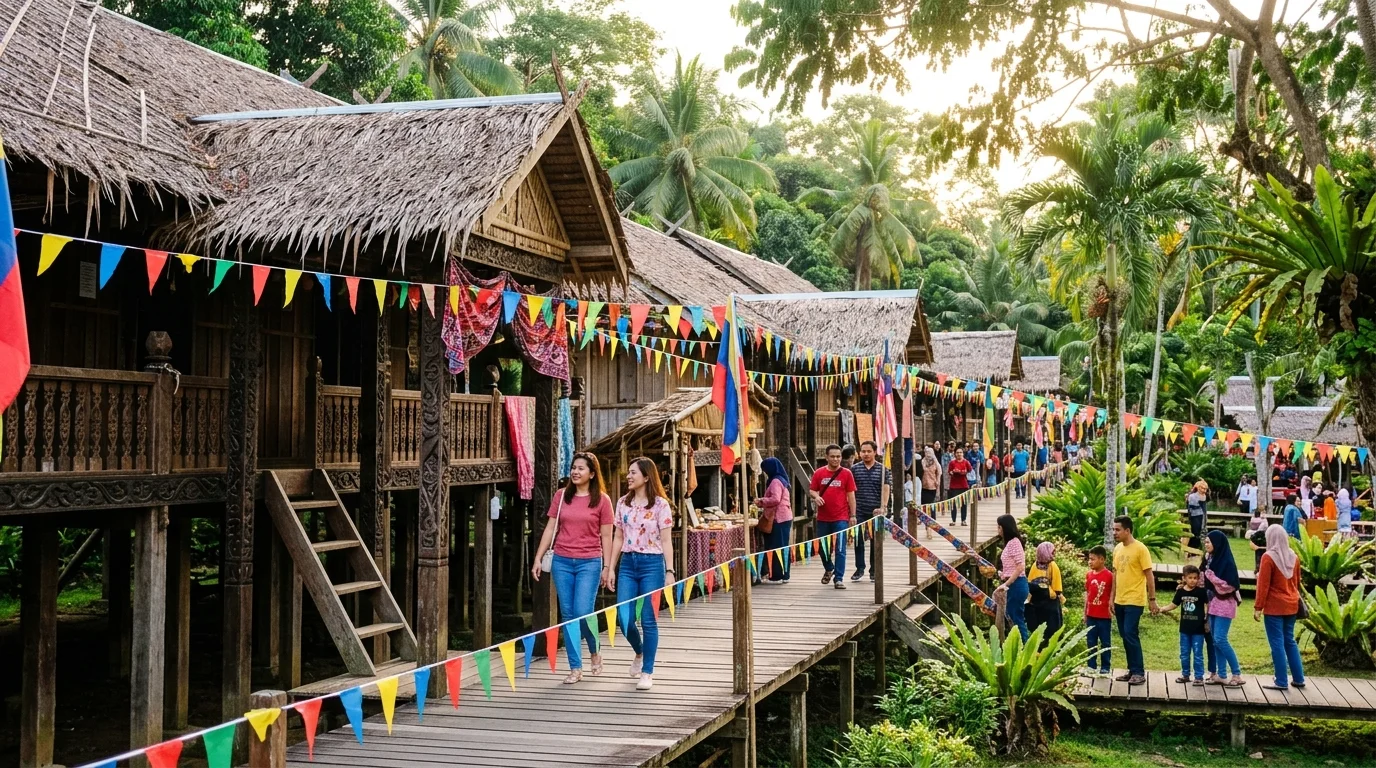
Koisaan Cultural Village is a living museum featuring 11 traditional houses representing the different ethnic groups within the Kadazan and Dusun peoples. Each house is furnished with period-appropriate items, staffed with cultural ambassadors, and demonstrates aspects of daily life, ceremonies, and traditional crafts. This is where you'll understand how Sabah's indigenous peoples lived and continue to celebrate their heritage.
The 11 Traditional Houses & Ethnic Groups
| Ethnic Group | House Name (Code) | District Origin | Key Features |
|---|---|---|---|
| Penampang | Lotud | Penampang | Traditional wood and thatch |
| Tenom | Liwan | Tenom | Wood, raised on stilts |
| Beaufort | Lanas | Beaufort | Traditional timber |
| Kota Belud | Nunuk | Kota Belud | Wood, pitched roof |
| Kuala Penyu | Laru | Kuala Penyu | Timber construction |
| Keningau | Lokon | Keningau | Traditional design |
| Tambunan | Lotud | Tambunan | Wood, decorated gable |
| Papar | Limau | Papar | Raised wood construction |
| Ranau | Lodung | Ranau | Highland design |
| Tuaran | Liang | Tuaran | Traditional timber |
| Kudat | Longhouse | Kudat | Longhouse style |
What to Expect at Each House: Each traditional house includes period furniture, agricultural tools, weaving looms, cooking equipment, and displays explaining the building's construction and cultural significance. Many houses have cultural ambassadors who can explain the exhibits and demonstrate traditional skills like weaving, fire-making (using flint), or food preparation. You can ask questions and learn directly from these practitioners.
Key Attractions & Demonstrations at KDCA
1. Fire-Making Demo (Momolositik — Traditional Slingshot Making & Use)
- Watch craftspeople demonstrate how to make traditional slingshots from wood and rubber
- Learn about hunting traditions and the importance of precision tools
- Some demonstrations include live shooting at targets
- Usually held mid-morning and late afternoon
2. Sumazau Dance Performances
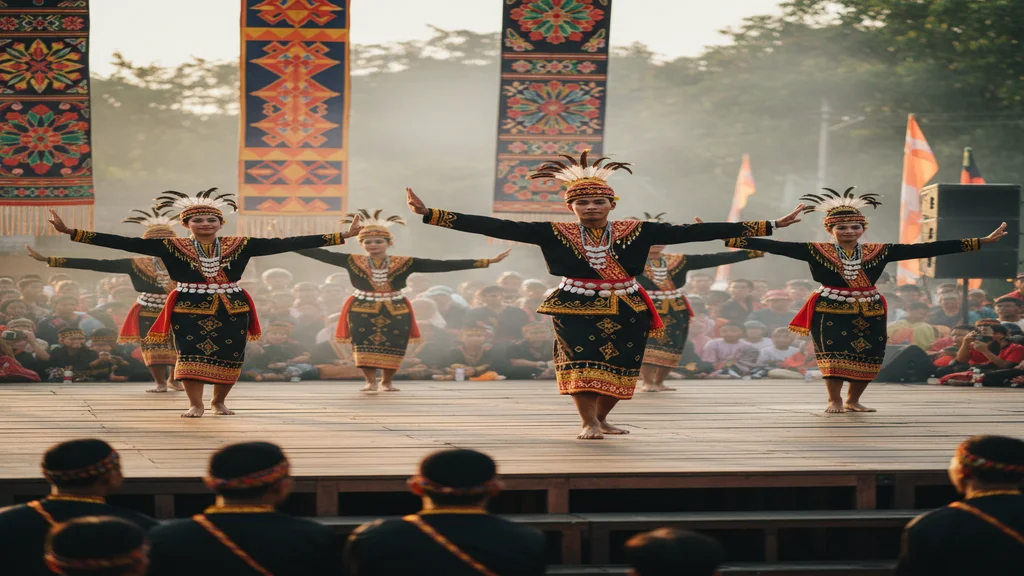
- Sumazau is the traditional harvest dance of the Kadazan people, performed by pairs or groups in synchronized, graceful movements
- Dancers wear the Sinuangga (traditional costume) with beaded breastplates, headdresses, and brass coils
- During Kaamatan, Sumazau performances happen throughout the day on the main stage (check schedule on arrival)
- Year-round performances typically happen on weekends at 11 AM and 3 PM
3. Magunatip (Bamboo Dance)
- Dancers perform between striking bamboo poles held by other dancers—a rhythmic, acrobatic performance
- The dance requires perfect timing; dancers jump in and out of the bamboo without getting trapped
- Performed during Kaamatan, especially on the main stage during peak hours
4. Butod Tasting & Preparation Demo
- Butod is a sticky rice cake wrapped in daun isip leaf, a staple Kadazan food
- Watch vendors prepare fresh butod and taste samples (often free or RM2-3)
- Available from food stalls throughout the day
5. Craft Market & Souvenir Shopping
- Local artisans sell traditional crafts: woven textiles (tindal sarongs), beaded jewelry, wooden carvings, and baskets
- Prices range from RM20 (simple items) to RM200-500 (high-quality woven sarongs)
- During Kaamatan, the craft market expands with 50+ stalls
- Good places to buy authentic souvenirs directly from makers
6. Food Pavilion & Tapai/Lihing Tasting
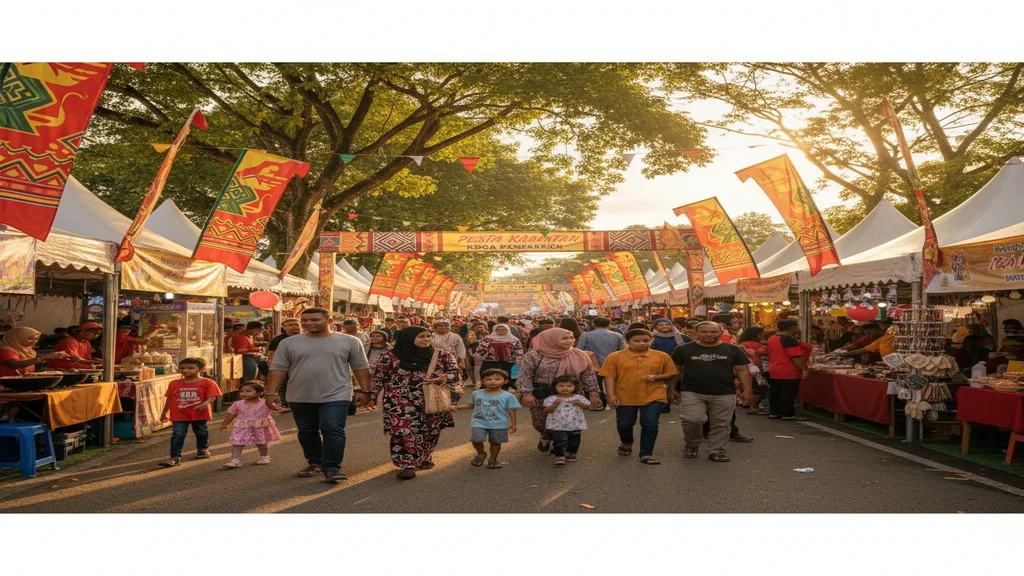
- 200+ food stalls during Kaamatan serving traditional Kadazan dishes
- Dedicated alcohol/tapai area where vendors sell tapai (traditional rice wine) and lihing (commercial rice wine) by the glass
- Typical drinks cost RM5-10 per glass; food RM2-15 per plate
- See the Kaamatan Food Guide for detailed menu and recommendations
7. Unduk Ngadau Venue & Sodop Gala Night
- The main stage at KDCA hosts the state-level Unduk Ngadau pageant (usually May 31)
- Contestants wear the Sinuangga during the competition; Sodop (gala night, 2026 dates pending KDCA confirmation) features modern designer wear
- See the Unduk Ngadau Guide for pageant schedule and how to get tickets
8. Sugandoi Stage & Traditional Music Performances
- Sugandoi is traditional Kadazan folk singing, often accompanied by the suling (flute) or gongs
- During Kaamatan, local musicians perform daily; off-season performances may be limited
- Check the festival schedule on arrival for timing
What is the festival layout during Kaamatan?
KDCA transforms during Kaamatan with a specific layout designed to manage 20,000-30,000 daily visitors. Understanding the layout helps you plan your route, find food, and avoid getting lost.
Main Festival Zones
1. Main Entry Gate & Central Pavilion
- Located at the KDCA main entrance on Jalan Mile 4½
- Ticket booths and information desk here
- Central gathering point and starting point for most visitors
2. Food Pavilion (North Wing)
- 200+ food stalls arranged in rows by vendor type (traditional dishes, grilled items, desserts)
- Best for: Hinava, linopot sets, tuhau sambal, butod, fried fish, and traditional sides
- Busiest times: 12-2 PM (lunch), 6-8 PM (dinner)
- Recommendation: Eat here mid-morning (10-11 AM) or early evening (5-6 PM) for short queues
- Tables and chairs available throughout the pavilion; first-come basis (no reservation)
3. Alcohol & Tapai Area (South Section)
- Dedicated section where vendors sell tapai (traditional rice wine) and lihing (commercial rice wine)
- Vendors serve drinks by the glass or bottle; some allow you to taste before buying
- Pricing: RM5-8 per glass of tapai, RM8-12 per bottle of lihing
- Tables nearby for sitting and drinking
- Can get rowdy in evenings; most respectful atmosphere mid-morning to early evening
4. Main Stage (Center)
- Large covered pavilion hosting Sumazau performances, Unduk Ngadau pageant, and major entertainers
- Seating is limited—arrive 30 minutes early for peak performances
- Best views from side seating; center is often overcrowded
- Schedule posted at the gate and information desk
5. Craft Market & Souvenir Area (East Wing)
- 50+ craft stalls selling traditional textiles, beadwork, carvings, and souvenirs
- Quality is high; prices are reasonable compared to tourist shops
- Direct purchases from makers support local artisans
- Best visited in late afternoon (4-6 PM) when crowds are lighter
6. Koisaan Cultural Village (Throughout Grounds)
- 11 traditional houses interspersed throughout the compound
- Self-guided tours; cultural ambassadors are available to explain exhibits
- Less crowded in mid-morning (9-11 AM) and late afternoon (4-6 PM)
7. Entertainment & Performance Areas
- Sugandoi stage for traditional music and folk performances
- Magunatip bamboo dance demonstrations (usually mid-morning and evening)
- Fire-making and momolositik (slingshot) demonstrations (rotating, check schedule)
Practical Festival Tips
Timing Your Visit: For the best experience, arrive at 9 AM, explore the cultural village for 2-3 hours (fewer crowds), eat lunch at 11 AM (before the rush), then visit craft stalls and catch afternoon performances. Leave by 4 PM if you want a relaxed experience, or stay until 8-9 PM if you want the festival energy.
Where to Sit & Watch Performances: The main stage fills quickly during headline performances (usually 11 AM, 3 PM, 7 PM). Arrive 30 minutes early for good seating. If you can't get main stage seating, performances often spill audio to surrounding areas, so you can enjoy them from anywhere on the grounds.
Where the Best Atmosphere Is: Mid-morning (9-11 AM) is peaceful and informative. Lunch time (12-2 PM) is chaotic but energetic. Late afternoon (4-6 PM) has a nice balance. Evening (7-9 PM) has the most festival energy, live performances, and crowds. Choose based on your preference for crowds vs. atmosphere.
What facilities are available?
Parking:
- Free parking on KDCA compound (500+ spaces, but fills by 11 AM during Kaamatan)
- Overflow parking on Jalan Mile 4½ (free, but 5-10 minute walk to entrance)
- Strongly recommend using Grab/Maxim to avoid parking stress
ATMs & Payment:
- ATMs available near the main entrance and central pavilion
- Most food and craft vendors accept cash only; some take online transfers or Grab Pay
- Bring RM200-300 cash to be safe
Toilets:
- Multiple toilet blocks throughout the grounds (standard Malaysian facilities)
- Queues during peak times (noon, 6-8 PM); longer queues mid-afternoon
- Bring tissue paper or wet wipes (some facilities have limited supplies)
First Aid & Medical:
- First aid station near the central pavilion
- For serious medical needs, nearest hospital is Kota Kinabalu Hospital (15 minutes by car)
- Staff can arrange transportation if needed
Prayer Facilities:
- Prayer room available for Muslim visitors near the central pavilion
- Muslim-friendly food stalls available (most food is halal)
Visitor Information:
- Information desk at the main entrance with maps, schedule, and cultural information
- Staff can assist with questions about exhibits, performances, and facilities
Tips for Families with Kids:
- Family-friendly demonstrations (Sumazau, fire-making) appeal to children
- Quiet seating areas available away from the main stage if kids get overwhelmed
- Food stalls have simple, kid-friendly options (grilled items, rice dishes, fried foods)
- Bring water bottles for kids to stay hydrated
- Expect a full-day outing (6-8 hours); plan rest breaks mid-afternoon
- Pushchairs can navigate main paths but will struggle on cultural village gravel paths
Sun & Weather Protection:
- Kota Kinabalu heat is intense during May-June; bring sunscreen and a hat
- The main stage has shade; food pavilion has roofed sections
- Koisaan Cultural Village has limited shade—explore early morning or late afternoon
- Occasional afternoon rain during monsoon season; bring a light poncho or umbrella
Where should I stay near KDCA?
Most visitors stay in Kota Kinabalu city center (15-20 minutes away via Grab) for more amenities and accommodation variety. However, there are budget options in Penampang town (5 minutes from KDCA) if you prefer proximity to the festival.
Accommodation Options Near KDCA
| Accommodation | Price Range | Location | Distance to KDCA | Type |
|---|---|---|---|---|
| Penampang Budget Inn | RM44-65/night | Penampang village | 5 min from KDCA | Budget hotel |
| KK City Hotels (via Grab) | RM60-150/night | Downtown Kota Kinabalu | 15-20 min via Grab | Mid-range |
| Sabah Homestays | RM50-100/night | Various locations | Varies | Homestay |
| Summer Suites Hotel | RM90-180/night | Downtown KK | 18 min via Grab | Mid-range |
| Gaya Street Houses (Airbnb) | RM55-120/night | Historic Gaya Street | 12 min via Grab | Vacation rental |
Booking Recommendations:
- Booking.com: Search Penampang & Kota Kinabalu hotels
- Agoda: Budget accommodation across Sabah
- Airbnb: Gaya Street (historic area), downtown KK, and Penampang homes available
Staying in Penampang (Near KDCA)
Pros: Close to KDCA (5 minutes), cheaper, quieter, less tourist-oriented
Cons: Fewer dining options, limited nightlife, less choice of accommodation
Best for: Budget travelers, early morning visits, families who want an early night
Staying in Kota Kinabalu City Center
Pros: More hotels and restaurants, better nightlife and entertainment, more choice across price ranges
Cons: 15-20 minutes to KDCA (by Grab), more expensive, busier
Best for: Travelers who want multiple activities, longer stays, want to explore KK city
Recommended Strategy: Book a mid-range hotel in downtown KK (RM80-150/night). Use Grab for KDCA visits (RM15-25 per trip). This gives you the best balance of cost, comfort, and flexibility. Nearby restaurants, shopping, and evening entertainment mean you're not stuck at KDCA or in a remote area.
Q Is KDCA wheelchair accessible?
Q Can I bring my own food and drinks?
Q Is there parking during Kaamatan?
Q What time should I arrive at Kaamatan?
Q Is KDCA open year-round?
Q Can I take photos at KDCA?
Sources & References 12 sources
Last verified: 2026-04-27